NZ vehicle FBT changes: what the 2027 bill means
A new Government Bill would change how employer-provided cars and utes are taxed from 1 April 2027. The proposal removes day counting and the work-related vehicle definition, but it is not law yet.
Written and maintained by OpenBoot Editorial. Prices and policies can change, so use the linked source notes for the latest position.
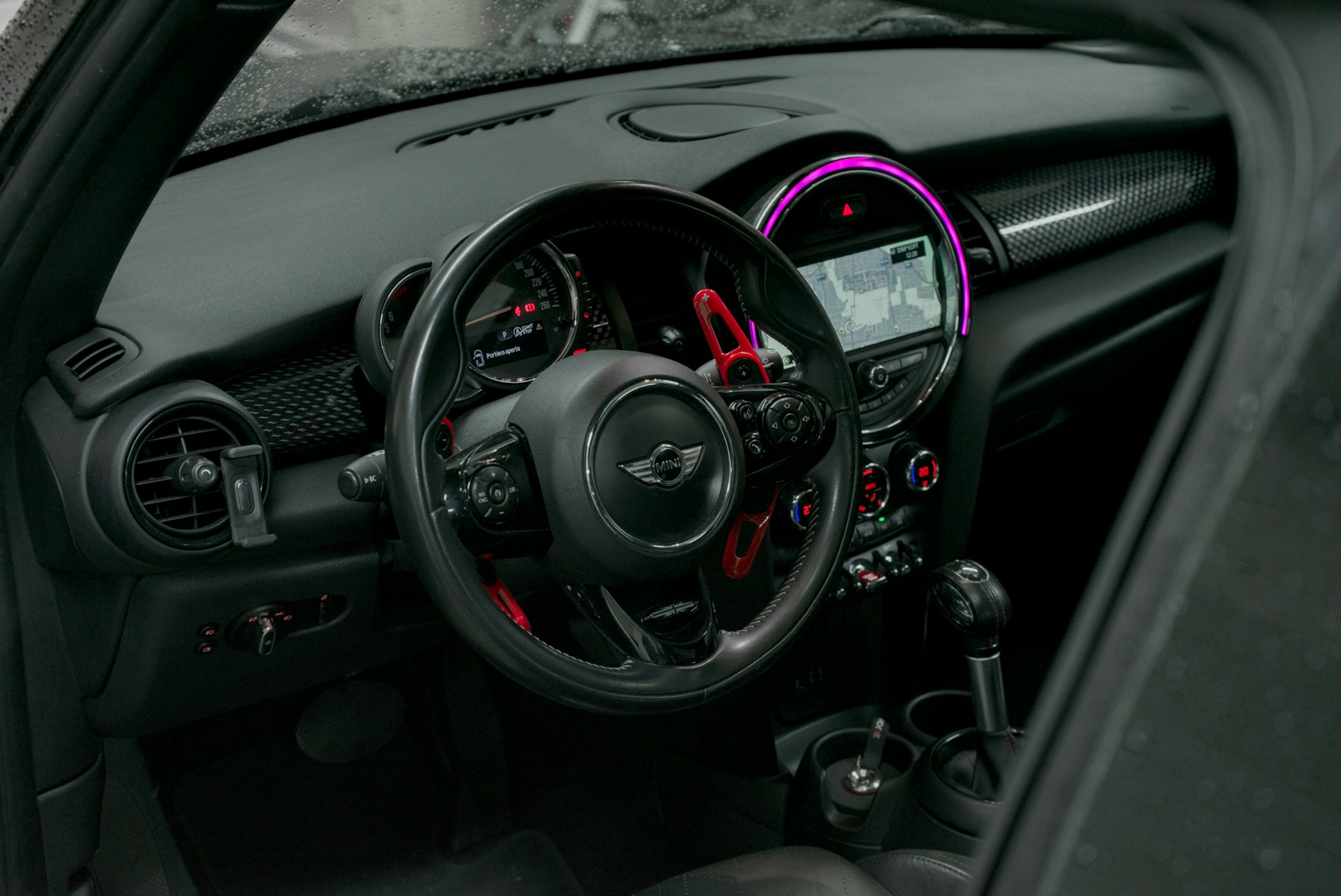
A new Government Bill would change how New Zealand businesses calculate fringe benefit tax (FBT) on employer-provided cars and utes from 1 April 2027. It would replace day-by-day availability records with private-use categories and remove the existing work-related vehicle definition.
The important qualifier is “would”. Inland Revenue published the Bill and its commentary in September, and Parliament records referral to the Finance and Expenditure Committee after the first reading on 15 September. It remains a proposal, not a tax rule that employers can apply today. The current text is useful for fleet planning, but the final law and Inland Revenue guidance still matter.
The work-ute exemption is being replaced
Under the current approach, an employer generally needs to work through the days a vehicle is available for private use and whether an exemption applies. The Bill would remove the work-related vehicle definition and other existing motor-vehicle exemptions, then place the vehicle in a category based on the private use allowed.
That matters for the familiar sign-written ute. A vehicle used mainly for business could still fall into a lower category, but the answer would depend on the permitted use and the branding conditions. The old label alone would no longer settle the FBT question.
The Bill proposes six categories:
- 100% private use: 100% of the vehicle value is included.
- Mainly business use, with private use on rostered days off, leave, and commuting: 35%; branding is generally required.
- Mainly business use on farmland in a farming or agricultural business: 35%; a specific employer and user condition applies.
- Mainly business use, with private use limited to commuting: 20%; branding is generally required.
- Business use where commuting is only for a project of limited duration or multiple work sites: 0%; branding is generally required.
- Pool car with no private use: 0%.
Incidental travel is treated differently from a regular private-use entitlement. If circumstances materially change, the employer would change category from the start of the next quarter. If no category fits, the Bill says the vehicle defaults to the full-private-use category.
EVs and hybrids get different valuation settings
The September Bill commentary’s proposed valuation table would distinguish powertrains. It supersedes the different default-rate figure in the May Budget information sheet. For the cost-price method, the annual figures are 20% for petrol or diesel, 19.6% for hybrids including plug-in hybrids, and 17% for electric vehicles. The Bill also sets separate percentages for the tax-value method.
Those are inputs to the FBT calculation, not a direct tax bill or a promised saving on an EV. The final result also depends on the vehicle's value, the permitted-use category, the employer's FBT rate, and whether the legislation is enacted in its current form. Keep FBT separate from RUC, charging, fuel, insurance, and servicing when comparing a vehicle for work.
The proposal also requires branding for categories 2, 4, and 5 in most cases. Vehicles bought, leased, or rented before the Bill's introduction have a proposed exception, as do some smaller farming employers. A fleet manager should not assume that an existing unbranded vehicle and a new replacement will be treated identically.
What a business should check before 2027
The reform is relevant to more than trade utes. Passenger cars provided as part of a remuneration package, vans, pool vehicles, farm vehicles, and mixed-use fleet cars all need to be assessed against the proposed categories. Inland Revenue's regulatory-impact material says the total number of potentially affected vehicles is uncertain, giving an indicative range rather than a verified fleet count.
Before ordering or renewing a vehicle, record the arrangement rather than relying on the badge:
- Write down who can use it, when, and for what private trips.
- Check whether the proposed category requires branding and whether a grandfathering exception could apply.
- Ask the accountant or payroll provider how the vehicle value and FBT rate would be calculated under the proposed rules.
- Compare the whole vehicle decision: purchase or lease cost, payload, towing, fuel or charging, RUC, insurance, servicing, and employee use.
- Recheck the Bill and Inland Revenue guidance before the 1 April 2027 start date.
For a buyer choosing between a new ute, passenger car, hybrid, or EV, the proposed FBT settings may change the fleet conversation, but they do not make one powertrain automatically cheaper. The exact private-use arrangement and the written tax treatment are the records to keep.
Sources
-
Taxation (Annual Rates for 2026–27, FBT Simplification, Foreign Investment Funds, and Remedial Measures) Bill — New Zealand Legislation, Government Bill introduced 10 September 2026, accessed 17 September 2026
-
Tax Bill to lower costs and simplify rules — Beehive.govt.nz / Revenue Minister, 10 September 2026, accessed 17 September 2026
-
Taxation (Annual Rates for 2026–27, FBT Simplification, Foreign Investment Funds, and Remedial Measures) Bill – Regulatory impact statements — Inland Revenue Tax Policy, 10 September 2026, accessed 17 September 2026
-
Fringe benefit tax changes - Information sheet — Inland Revenue Tax Policy, 28 May 2026, accessed 17 September 2026
-
September Bill commentary — Inland Revenue, valuation table on page 39.
Source notes
The links below show the public material used to check the facts and limits in this story.
- Taxation (Annual Rates for 2026–27, FBT Simplification, Foreign Investment Funds, and Remedial Measures) Bill New Zealand Legislation · accessed 2026-09-17 · The Government Bill's 10 September 2026 introduction, proposed replacement of day-counting and existing motor-vehicle exemptions, six private-use categories, branding provisions, valuation percentages, and 1 April 2027 application date.
- Tax Bill to lower costs and simplify rules Beehive.govt.nz / Revenue Minister · accessed 2026-09-17 · The Government's explanation that the Bill was introduced on 10 September and would replace detailed vehicle-use records and logbooks with categories.
- Taxation (Annual Rates for 2026–27, FBT Simplification, Foreign Investment Funds, and Remedial Measures) Bill – Regulatory impact statements Inland Revenue Tax Policy · accessed 2026-09-17 · The dated regulatory-impact material, the purpose of the reform, and the limitation that the affected vehicle pool is not known precisely.
- Fringe benefit tax changes - Information sheet Inland Revenue Tax Policy · accessed 2026-09-17 · The plain-language category descriptions, inclusion rates, branding conditions, removal of the work-related vehicle exemption, and the proposal's compliance-cost context.
- Ute pricing in NZ: compare payload, towing, and trim OpenBoot · accessed 2026-09-17 · Related guidance for business and trade buyers checking the exact ute's job, payload, towing, and trim before a fleet decision.
- Compare EV and hybrid ownership costs in New Zealand OpenBoot · accessed 2026-09-17 · Related guidance for separating a vehicle's tax treatment from its broader energy, RUC, insurance, and servicing costs.
- September 2026 Bill commentary Inland Revenue Tax Policy · accessed 2026-10-28 · Current Bill categories and valuation table, including 20%, 19.6% and 17% annual cost-price rates, which differ from the May proposal.
- Progress of the FBT Simplification Bill New Zealand Parliament · accessed 2026-10-28 · Select committee stage after first reading on 15 September; no enacted reform claimed.