2WD or 4WD in New Zealand: choosing for the roads you actually drive
Four-wheel drive can be useful for a defined job, but it is not a substitute for suitable tyres, sensible speed, or a vehicle that fits your regular roads and load.
Written and maintained by OpenBoot Editorial. Prices and policies can change, so use the linked source notes for the latest position.
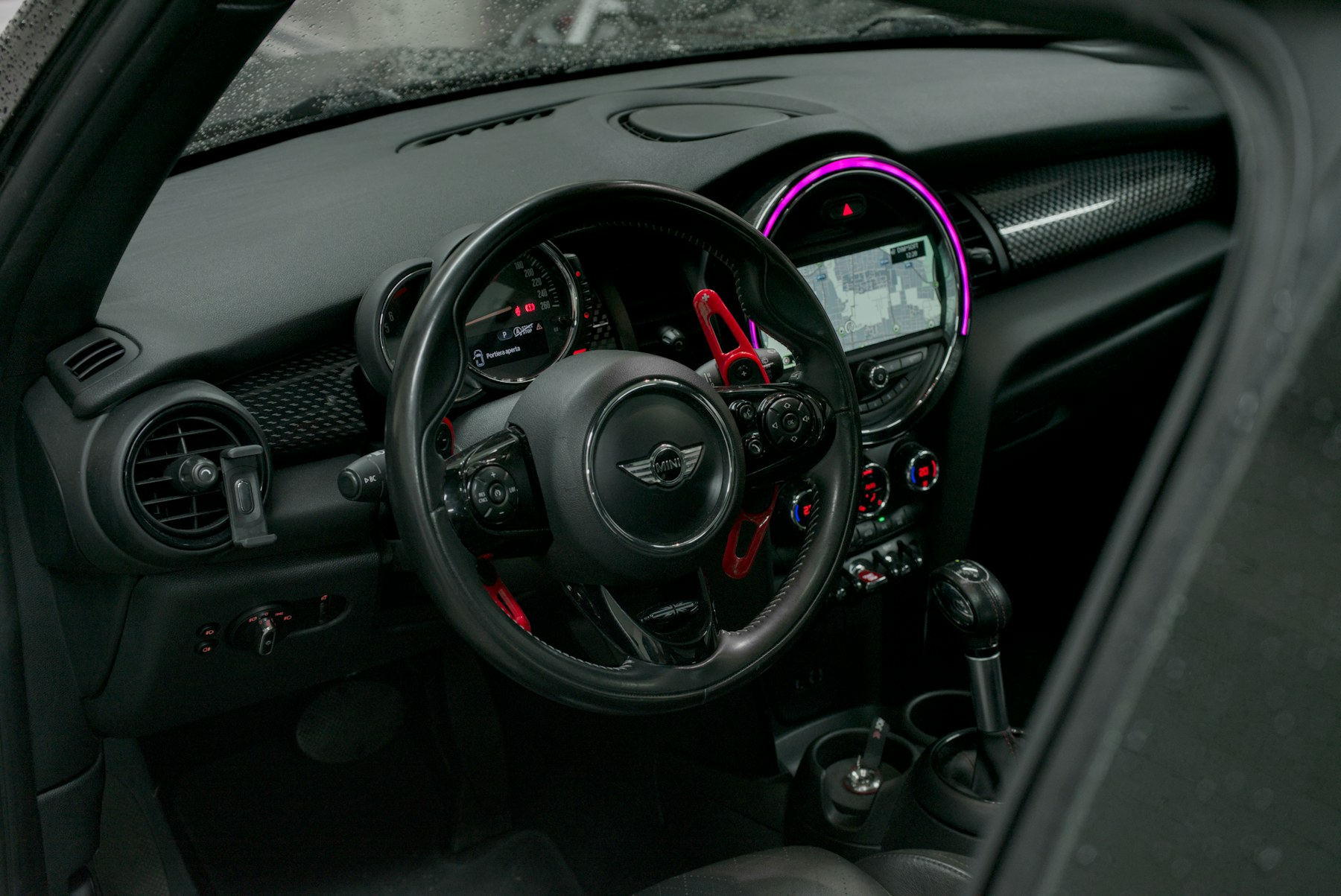
The 2WD-versus-4WD decision is often presented as a simple upgrade. In practice, it is a question about traction, ground conditions, towing, clearance, tyres, price, fuel, maintenance, and the roads you actually use. A 4WD system can be the right tool for a job, but buying one for a vague fear of bad weather can leave you paying for capability you rarely use.
Map the roads and the job
List your normal routes and the difficult ones. Include sealed urban streets, unsealed roads, steep driveways, beaches, paddocks, ski access roads, construction sites, and river crossings only if they are part of your real use. Note how often each route happens and whether you travel with a trailer or a full load.
A 2WD may suit a car that spends most of its time on sealed roads and needs extra boot space rather than low-range gearing. A 4WD may make sense for regular unsealed work, a steep farm track, or a trailer launch. The exact system matters: some vehicles are on-demand, some have selectable modes, some have low range, and some are marketed as all-wheel drive rather than traditional 4WD.
Ask the manufacturer what the system can and cannot do. Do not treat “4WD” as a promise that the vehicle is designed for every off-road surface.
Traction is only one part of control
Four driven wheels can help a vehicle put power down in some low-traction conditions. They do not shorten every stopping distance, guarantee grip on ice, or replace appropriate tyres. Speed, tyre condition, tyre pressure, visibility, road surface, and driver decisions still matter.
NZTA's vehicle-buying advice tells buyers to check the safety rating and choose the safest vehicle within their price range. Use ANCAP to inspect the exact vehicle and rating year, then look at the standard equipment on the particular trim. A 2WD with a stronger safety specification may be a better overall choice than a 4WD bought only for its drivetrain label.
Compare the complete ownership cost
Record the price difference between equivalent trims, then add fuel or charging, tyres, servicing, insurance, and accessories. The 4WD version may have larger wheels, heavier components, different service requirements, or a higher insurance quote. The result depends on the model, so avoid applying a blanket “4WD costs more” rule.
EECA's vehicle comparison calculator can help structure a cost comparison between vehicle types. Use your annual kilometres, real fuel price, route mix, and ownership period. Keep the assumptions visible. A small annual difference may be worthwhile if the 4WD solves a regular access problem; a large price premium is harder to justify for a route the vehicle never leaves.
Towing changes the question
If towing matters, compare the rated trailer capacity, tow-ball download, GVM, GCM, payload, wheelbase, brake equipment, and the price of the tow package. The maximum trailer number does not tell you how many people, tools, and accessories can stay in the vehicle at the same time.
NZTA's safe-loading guide says the coupling and tow ball need to suit the gross laden trailer weight and that the connection, safety chains, and electrical equipment must be correctly fitted. The guide also recommends carrying the smallest load possible. Four driven wheels do not remove those checks.
Ask the dealer to identify the exact rating for the vehicle you are ordering. It can change with engine, body, transmission, tyre, and accessory choices.
Test the vehicle on your roads
Drive the 2WD and 4WD versions if both are available. Try the hill you climb each morning, a rough local road, and a tight parking space. Listen for tyre noise, compare steering weight, check visibility, and test the ride with the family or work equipment inside.
If your requirement is off-road access, ask for a demonstration from someone who understands the vehicle's system and limits. Check ground clearance, approach and departure angles, recovery points, tyre type, spare-wheel location, and underbody protection. A vehicle can have four driven wheels but be poorly suited to the track you need.
A simple decision rule
Choose 2WD when the regular job is road driving, the payload and towing figures work, and the price and running-cost difference can be used elsewhere. Choose 4WD when a recurring route, load, or towing task needs its traction or hardware and the complete vehicle still fits your budget and safety requirements.
Do not choose either solely for resale stories, a badge, or a brochure photograph. Check the exact specification, then keep a written note of the job the extra hardware solves.
Before using the result on the road
This comparison cannot predict grip on a particular road or tell you whether a route is safe to drive. Vehicle systems and ratings vary by model year and trim. Confirm the manufacturer's operating instructions, tyres, towing limits, insurance treatment, and any local road restrictions before using a vehicle off sealed roads or with a trailer.
Sources
Source notes
The links below show the public material used to check the facts and limits in this story.
- Tips for buying a used car NZ Transport Agency Waka Kotahi · accessed 2026-08-14 · Checking safety ratings, tyres, and the importance of matching a vehicle to the intended use.
- Guide to safe loading and towing NZ Transport Agency Waka Kotahi · accessed 2026-08-14 · Separating drive choice from safe loading and towing requirements.
- Vehicle comparison calculator EECA · accessed 2026-08-14 · Structuring purchase and running-cost comparisons between vehicle types.
- Car safety ratings ANCAP · accessed 2026-08-14 · Checking the safety rating and rating year of the exact 2WD or 4WD vehicle.