How to compare new-car prices in NZ without missing the real cost
The number in a new-car ad is a starting point, not the whole decision. Here is a simple way to compare the price, the costs around it, and the evidence behind it.
Written and maintained by OpenBoot Editorial. Prices and policies can change, so use the linked source notes for the latest position.
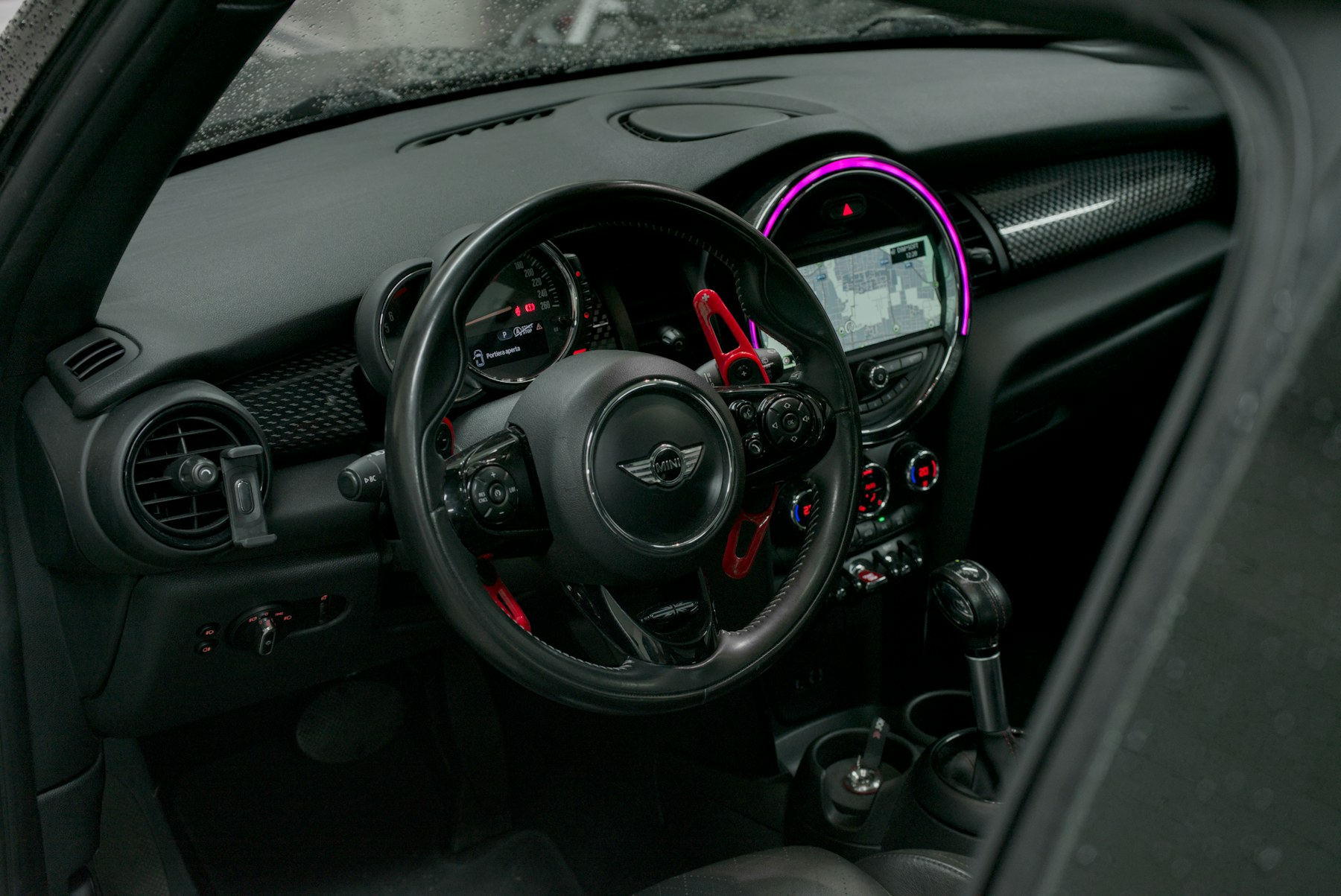
The number in a new-car ad is useful. It is also incomplete.
The list price is still useful for building a shortlist. It does not answer the amount you will pay, the cost of keeping the car, or the terms attached to the offer, so keep those parts of the comparison separate.
Here is a simple way to compare new cars in New Zealand without letting one attractive number do too much work.
1. Start with the public price, then label what it is
OpenBoot tracks public New Zealand pricing so you can see the shape of the market. That makes it easier to compare an entry SUV with a hatchback, an electric car with a hybrid, or one brand's mid-range trim with another brand's entry model.
The first label to add to your notes is “public list price”. Do not silently turn it into “drive-away price”. The source may describe an entry price, a recommended retail price, a campaign price, or a figure that excludes particular costs. The wording matters.
When you save a price, also save:
- the exact model and variant;
- the date you saw it;
- the source page or price sheet;
- what the price says it includes or excludes; and
- whether the figure applies to a vehicle the manufacturer currently sells in New Zealand.
That last question prevents a common comparison error: treating an old model page, a future model announcement, and a vehicle available to order today as if they were the same thing.
2. Ask what “on-road costs” covers
On-road costs are not a single universal line item. Ask the dealer to spell out the amount rather than accepting a label that looks familiar.
The first registration of a vehicle is different from the ongoing licence, usually called rego. Waka Kotahi explains that first registration can involve a registration fee, licensing, ACC, number plates, GST, administration, and other charges that may apply to the vehicle. The exact mix depends on the vehicle and the date.
The practical question for a buyer is simple: “What is the total amount I need to pay before I can take this vehicle on the road, and which parts of that amount are included in this advertised price?”
Write the answer beside the list price. If the response is a quote rather than a published figure, mark it as a quote. That keeps a dealer-specific amount from being mistaken for a market-wide price.
3. Separate one-off costs from the ownership budget
The purchase decision has at least three separate buckets:
- The transaction: vehicle price, registration, licensing, delivery, accessories, and any other amount due at handover.
- The fixed annual costs: licensing, insurance, scheduled servicing, roadside assistance, and finance repayments if you borrow.
- The use-dependent costs: petrol, diesel, public charging, home charging, tyres, parking, and repairs outside the service plan.
Keeping these buckets separate makes the comparison more useful. A vehicle that costs less at the dealer may still be a poor fit if it needs expensive accessories for the job you have in mind. A more expensive vehicle may make sense for a high-mileage driver if its energy and servicing needs suit the way it is used. You do not need to guess the answer; you need to put the costs on the same page.
4. Compare like with like
Price comparisons fall apart when the vehicles are not doing the same job. Before you call one car “cheaper”, record the features that explain the difference:
- body style and interior space;
- number of seats and boot or cargo needs;
- petrol, diesel, hybrid, plug-in hybrid, or battery-electric powertrain;
- two-wheel drive or four-wheel drive;
- towing and payload requirements;
- safety equipment and warranty terms; and
- the trim level included in the quoted price.
This is where a catalogue becomes more useful than a list of numbers. OpenBoot price guides let you narrow the market by body style and fuel type before you compare individual variants. The result is not a buying decision by itself, but it stops a small hatchback and a seven-seat SUV being compared on price alone.
5. Put fuel and charging into a second column
Do not try to hide running-cost assumptions inside the purchase price. Write them down.
For a petrol or diesel car, your estimate needs annual kilometres, a realistic fuel-use figure, and a fuel price assumption. For an EV, add home-charging access, public charging, expected charging pattern, and the cost of electricity or public charging. For a hybrid, record the type of hybrid and the driving mix you expect; an urban commute and long rural trips can produce different results.
The purpose is not to predict the future to the dollar. It is to expose which assumption is carrying the comparison. If the cheaper vehicle only wins when you assume a very low annual distance, that is useful information before you sign anything.
6. Treat finance as a separate decision
A weekly repayment is not a substitute for the vehicle price. Ask for the cash price, the deposit, the amount financed, the interest rate, the term, the fees, and the total amount repayable. Keep any balloon or final payment visible in the same worksheet.
The vehicle and the loan are related, but they are not the same product. Comparing only the repayment can make a longer term look cheaper while increasing the total cost. It can also make a discounted vehicle look expensive if one quote includes accessories and another does not.
A short worksheet that works
For each shortlisted vehicle, keep one row with these headings:
| Question | What to record |
|---|---|
| Public price | Exact variant, source, and date |
| Handover total | Price plus itemised on-road and delivery costs |
| Fixed yearly costs | Rego, insurance, servicing, and finance |
| Use costs | Fuel or charging, tyres, parking, and likely extras |
| Fit for the job | Seats, cargo, towing, commute, and charging access |
| What needs checking | Stock, warranty, price expiry, options, and exclusions |
The last row is the one people skip. Keep it. A good shortlist makes the unknowns obvious instead of hiding them behind a confident total.
What OpenBoot adds to the comparison
OpenBoot is designed to help with the first part of this worksheet: seeing public New Zealand prices in context. You can start with the cheapest new-car price guide, narrow by SUV prices, or compare EV prices. Open the model and variant pages when you need the source trail behind a particular figure.
The catalogue is not a dealer quote. It is a research starting point. Before you agree to buy, ask for the complete written price and check that the vehicle details and total match what was discussed. Consumer Protection's guidance is a useful independent reference for that final check.
If a price has changed, a source has disappeared, or an offer has conditions that do not fit the page, treat that as a reason to refresh the comparison. A date on a page is more useful when it leads to a habit: check the source, check the exclusions, then decide.
Sources
Source notes
The links below show the public material used to check the facts and limits in this story.
- Car sales contracts and warranties Consumer Protection New Zealand · accessed 2026-08-14 · The checklist for checking the total price, vehicle details, and sales agreement before signing.
- Registration fees NZ Transport Agency Waka Kotahi · accessed 2026-08-14 · The distinction between first registration and ongoing licensing, plus the kinds of fees that can be included.
- Licensing (rego) fees NZ Transport Agency Waka Kotahi · accessed 2026-08-14 · The ongoing licensing and ACC components that vary by vehicle type and date.
- OpenBoot editorial policy OpenBoot · accessed 2026-08-14 · OpenBoot's definition of public comparison pricing, source dates, and why a catalogue price is not a drive-away quote.