New-car price watch: how to read a New Zealand price change
A price change is only useful when the model, variant, date, and inclusions are clear. Here is a practical way to read a New Zealand new-car update without treating an advertisement as a final quote.
Written and maintained by OpenBoot Editorial. Prices and policies can change, so use the linked source notes for the latest position.
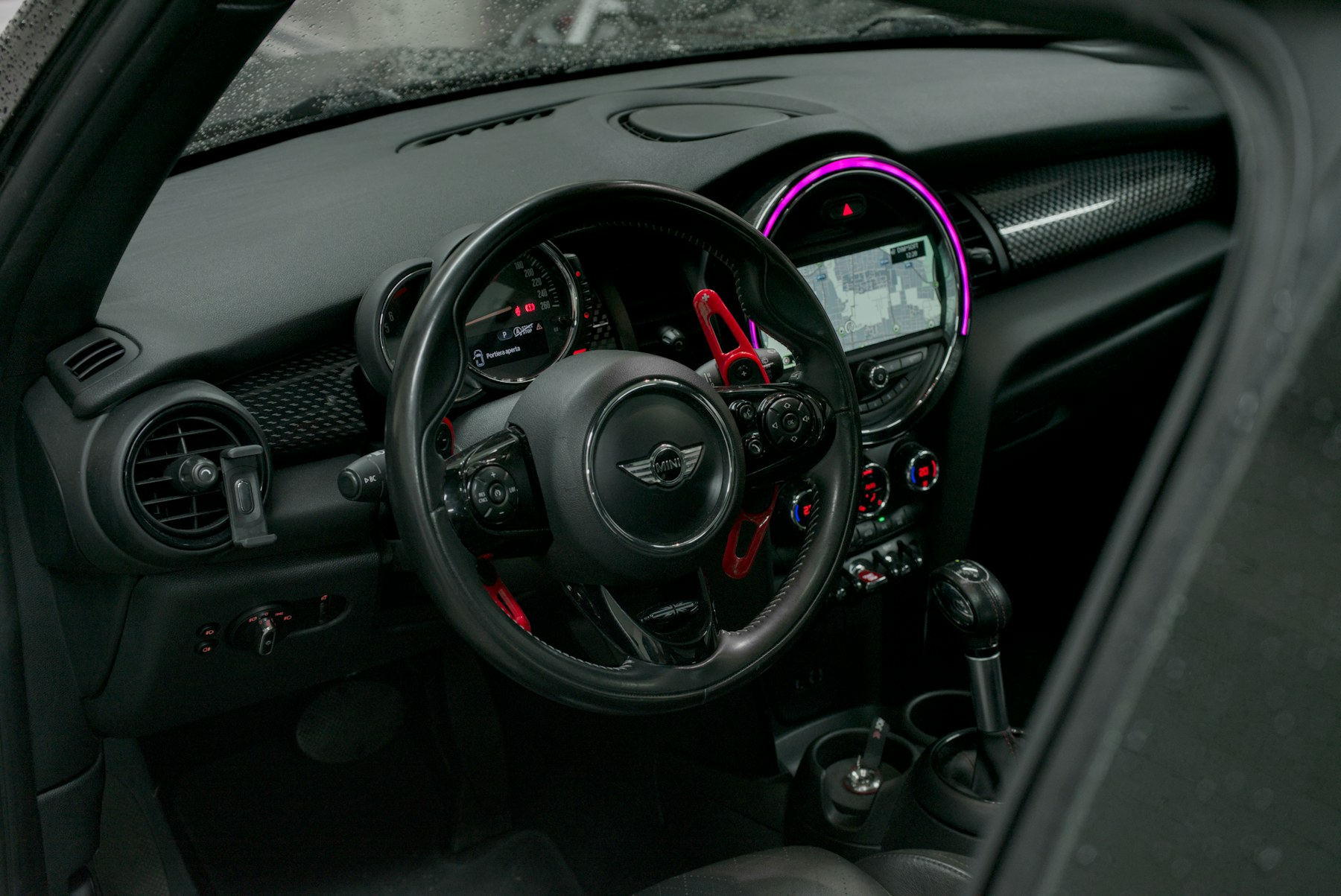
Treat a new-car price change as a comparison between two dated records, not as a headline about every brand. Keep the source, model year, grade, and powertrain beside the number before calling it a price rise.
Read the price change properly
A price watch should record more than a number. Save the date, the manufacturer, the model year, the grade or variant, the powertrain, and the source page. A manufacturer may publish a new price list at the same time as it changes equipment, trims, colours, delivery timing, or the name of a grade. Comparing the old number with the new number while ignoring those details can make a genuine specification change look like a simple price rise.
The Toyota New Zealand Hilux page shows the format to look for: a local model range, specifications, and a source that can be checked again. It is a manufacturer reference, not a promise that every buyer will receive the same final invoice. A dealer quote can still contain on-road costs, accessories, finance products, trade-in assumptions, or a campaign that is separate from the published RRP.
There is a second price layer that does not appear in a model headline. NZTA’s registration page lists a one-off registration fee alongside licensing, ACC, plate, administration, GST, and other possible first-registration items. Its table now separates fees from 1 July 2026 from the preceding table. That means a price comparison captured before and after the date can differ even when a manufacturer’s RRP has not moved.
Who needs the detail
This matters most to a buyer comparing a shortlist across a model-year change, a person ordering a vehicle before delivery, and anyone using an old advertisement as a budget reference. It also matters to a business comparing fleet costs: the cheapest RRP is not necessarily the lowest cost once the powertrain, licensing treatment, charging or fuel, tyres, servicing, and tax treatment are considered.
For a private buyer, ask four plain questions. What exact variant is this? Is the number an RRP, a current offer, or a drive-away quote? Which on-road items are included? Until what date does the offer apply? Keep the answer in writing. The number on a search result or an old PDF is evidence of what was published, not proof of what a dealer must sell at now.
NZTA also makes a distinction that is easy to lose in casual language: registration adds a vehicle to the Motor Vehicle Register, while licensing is the recurring permission to use it on the road. A new vehicle’s first payment can include both. A used vehicle changing hands will not be the same transaction as a vehicle entering New Zealand for the first time.
What the price still leaves open
An article or catalogue cannot confirm a buyer’s final price without the written offer. Delivery charges, accessories, insurance, finance, trade-in value, stock availability, and the date of first registration still need to be checked with the seller. A manufacturer may announce a model or price before every dealer has stock, and an overseas announcement is not confirmation of a New Zealand release.
The standing NZTA fee tables are also date-sensitive. They are an official reference series, not a permanent promise that future fees will stay unchanged. For a live purchase, check the current NZTA page and ask the seller to itemise on-road costs. OpenBoot can provide public price context, but it should not be read as a final quote or a substitute for that check.
Sources
- Registration fees — NZ Transport Agency Waka Kotahi
- Getting your vehicle licence (rego) — NZ Transport Agency Waka Kotahi
- Hilux — Toyota New Zealand
Source notes
The links below show the public material used to check the facts and limits in this story.
- Registration fees NZ Transport Agency Waka Kotahi · accessed 2026-08-14 · The dated distinction between registration fees, licensing fees, and additional first-registration charges.
- Getting your vehicle licence (rego) NZ Transport Agency Waka Kotahi · accessed 2026-08-14 · The distinction between one-off registration and recurring licensing.
- Hilux — Toyota New Zealand Toyota New Zealand · accessed 2026-08-14 · An official New Zealand manufacturer model page showing local Hilux range and specification context.