NZ EV charger rules and rollout: the August 2026 update
A second public-charger funding round could add to New Zealand's charging network, while EECA's smart-charger consultation closes on 4 September 2026. The two developments affect different buying and rollout decisions.
Written and maintained by OpenBoot Editorial. Prices and policies can change, so use the linked source notes for the latest position.
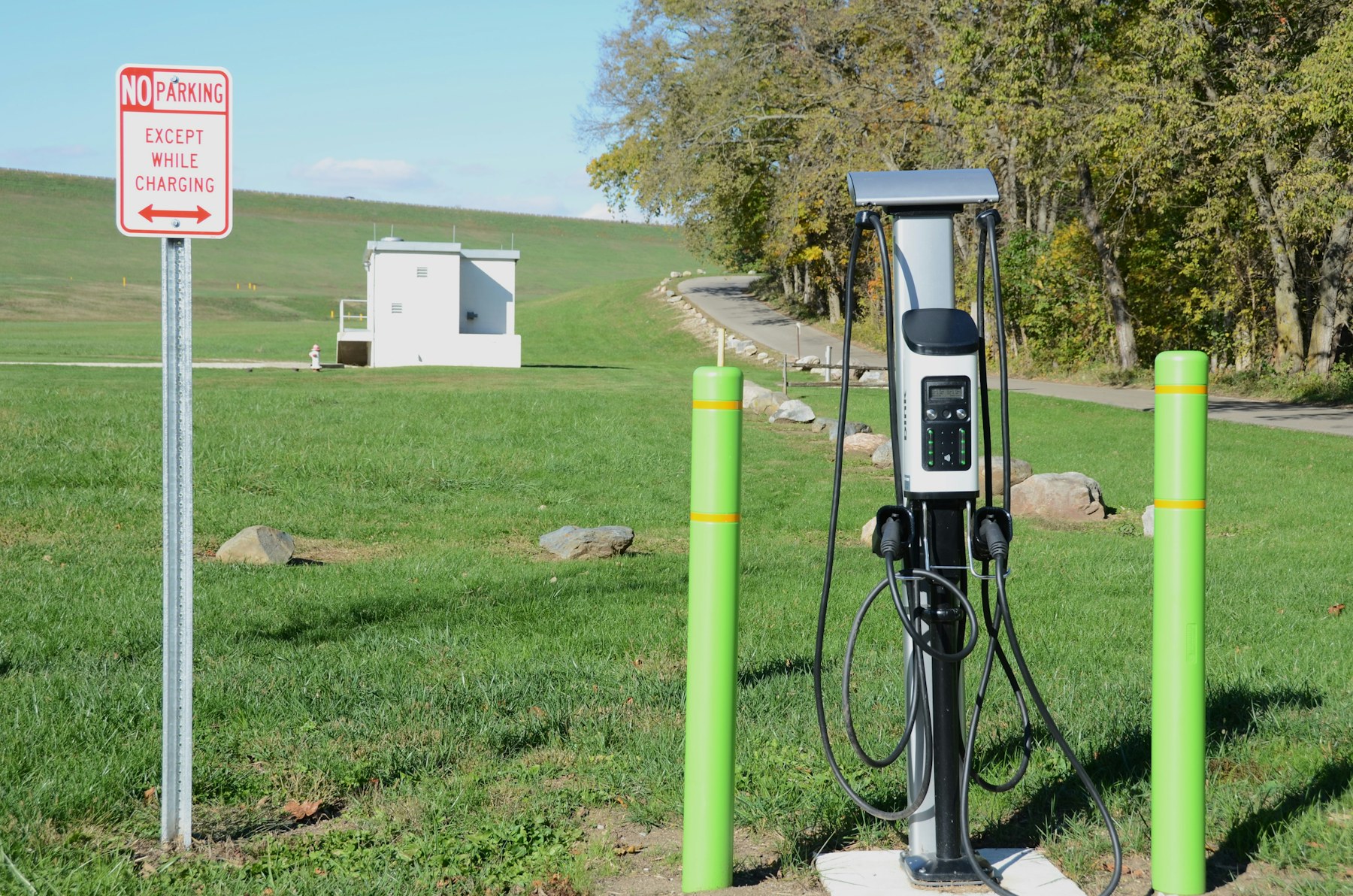
On 8 August 2026, the Government announced a second funding round for public EV charging infrastructure, with around $21 million available in zero-interest loans for charge point operators. That network decision sits beside EECA's 13 August consultation on smart chargers supplied in New Zealand. They are related, but they are not the same programme: one is co-investment for public sites, while the other proposes future product requirements.
The network decision is about public sites
The second loan round is intended to encourage private investment in public charging portfolios. The Government says the first round is expected to deliver 2,574 new charge points through partnerships with ChargeNet and Meridian Energy. Its stated target is 10,000 public charge points by 2030.
That is a network pipeline, not a promise that a particular town will receive a charger by a particular date. The 8 August announcement says National Infrastructure Funding and Financing (NIFFCo) would release a request for proposals, and its note to editors gives 10 August as the planned release date. It does not publish the final site list, delivery schedule, retail price, reliability standard, or charge-point mix for the second round.
For an EV buyer, more public sites could make longer trips easier and reduce the need to choose a vehicle around one route. For a workplace, motel, supermarket, or fleet operator, the relevant question is whether a proposed site has the power connection, parking, access, operating model, and maintenance plan to be useful. The funding announcement cannot answer those site-specific questions.
Home chargers are on a separate track
EECA opened a New Zealand consultation on 13 August 2026 that could change the minimum smart functionality and consumer information required of many EV chargers supplied here. Submissions close on 4 September. The proposal is not a rule that a household must comply with today, but it gives anyone buying a charger now a concrete specification question to ask.
The proposed requirements are aimed at the equipment that moves electricity into an EV. EECA says the Government has agreed to regulate chargers with a maximum output above 2.4kW for smart functionality and energy-performance information. The policy objective is to let chargers respond to electricity-system signals so charging can move away from busy periods when that suits the user and the system.
That is separate from the vehicle's connector, battery size, road-user charges, and public charging network. A charger can be compatible with a car and still offer little flexibility to a retailer, network, or home-energy system. A smart label also will not tell a driver the price of electricity at a particular time or guarantee that an electricity retailer will offer a cheaper charging plan.
EECA's announcement says it wants feedback from EV owners, manufacturers, importers, retailers, installers, electricity-sector participants, and consumer groups. The response window is therefore relevant to people choosing a home charger, not only to companies that sell one.
What the two changes do not settle
The consultation paper describes requirements that would let an external system communicate with the charger and request a start, stop, increase, or decrease in charging power. It also proposes that the owner retain a manual override, that electricity use be measurable and visible to the consumer, and that charging continue under the last settings if communications with the external system are lost.
The paper's policy settings cover every charger above 2.4kW, but the initial technical focus is narrower. EECA proposes to focus on household-scale AC units, typically around 7kW. It proposes excluding DC chargers, AC chargers above 23kW, and combined AC/DC units from the requirements under consultation. Those are proposed technical boundaries, not a promise that every charger in the broad policy scope will receive identical treatment.
For a buyer, the useful checks are specific: can the unit use an open or documented communication protocol; can charging be overridden locally; can the owner see energy consumed; and does the charger keep a safe charging state if its internet service or control platform disappears? Ask the installer to put the answers, the exact model, and any subscription requirement on the quote.
The consultation does not make a charger purchased today non-compliant. The paper says the Government is progressing amendments to the Energy Efficiency and Conservation Act 2000 and plans to introduce a Bill later in 2026. EECA would develop the rules after the legislative changes are in place, and the Minister would make them after further consultation. Chargers supplied before the new rules commence are not covered by the proposed new requirements.
That sequence matters for anyone comparing a charger quote. A seller should not describe the consultation as a current certification requirement, and a buyer should not treat a future proposal as proof that an existing unit will be accepted indefinitely. The final scope, technical wording, commencement date, compliance pathway, and treatment of product families remain open.
The paper also separates smart charging from existing electricity-connection and electrical-safety obligations. Those obligations continue to apply. The proposal is about future product functionality and information; it does not replace an electrician's site assessment or a distributor's connection requirements.
Public-site consenting has its own recent change. Government says national permitted-activity standards for EV charging infrastructure came into force on 7 May 2026 and cover private chargers, transport-corridor chargers, chargers associated with buildings or other infrastructure, and standalone charging facilities. The standards still carry conditions for effects such as noise, earthworks, size, setbacks, and traffic; a site that does not meet them may need a restricted discretionary consent.
Put the right question on the quote
If you own an EV or are choosing a home charger, read the consultation before 4 September and send EECA any specific concern about control, fallback charging, data visibility, interoperability, or labelling. If you are obtaining quotes, retain the model number and ask how the unit behaves without cloud access. Fleet and property managers should also ask whether a charger can be moved between energy-management providers without losing its useful functions.
The unresolved points are delivery and regulation: which public sites the second loan round will support, when they will open, and when Parliament, the Minister, and EECA will turn the agreed home-charger policy direction into final rules. Until those details are published, record the charger model and documented smart features on a home-installation quote, and check the actual public charging options on the routes a buyer or fleet will use.
Sources
- Consultation – Proposed requirements for EV chargers — Energy Efficiency and Conservation Authority (EECA)
- Consultation open on smart EV chargers to power NZ's energy future — Energy Efficiency and Conservation Authority (EECA)
- Proposed energy flexibility regulatory requirements for electric vehicle chargers consultation — Energy Efficiency and Conservation Authority (EECA)
- Zero-interest loans accelerate EV charger rollout — Beehive.govt.nz
- EV chargers to roll out faster under new rules — Beehive.govt.nz
Source notes
The links below show the public material used to check the facts and limits in this story.
- Consultation – Proposed requirements for EV chargers Energy Efficiency and Conservation Authority (EECA) · accessed 2026-08-27 · The Government's agreed direction to regulate EV chargers above 2.4kW, EECA's proposed requirement categories, the 4 September 2026 closing date, and the statement that feedback will inform recommendations and future rules.
- Consultation open on smart EV chargers to power NZ's energy future Energy Efficiency and Conservation Authority (EECA) · accessed 2026-08-27 · The 13 August 2026 announcement, the purpose of smart charging, the stakeholder groups invited to respond, and EECA's description of possible consumer and electricity-system benefits.
- Proposed energy flexibility regulatory requirements for electric vehicle chargers consultation Energy Efficiency and Conservation Authority (EECA) · accessed 2026-08-27 · The proposed scope, exclusions, consumer override and offline-charging settings, the focus on approximately 7kW household AC chargers, the planned legislative sequence, and the distinction between agreed policy settings and proposed technical rules.
- Zero-interest loans accelerate EV charger rollout Beehive.govt.nz · accessed 2026-08-27 · The 8 August 2026 second funding round, the approximately $21 million available for public charging portfolios, the first round's 2,574 planned charge points, and the 10,000-point 2030 target.
- EV chargers to roll out faster under new rules Beehive.govt.nz · accessed 2026-08-27 · The 7 May 2026 commencement of national permitted-activity standards for four types of EV charging infrastructure and the conditions that can still require consent.