What New Zealand buyers should know about current car safety ratings
A five-star result is not the whole story. New Zealand buyers need to check which rating system applies, the tested year, the variant, and whether the vehicle is new or a used import.
Written and maintained by OpenBoot Editorial. Prices and policies can change, so use the linked source notes for the latest position.
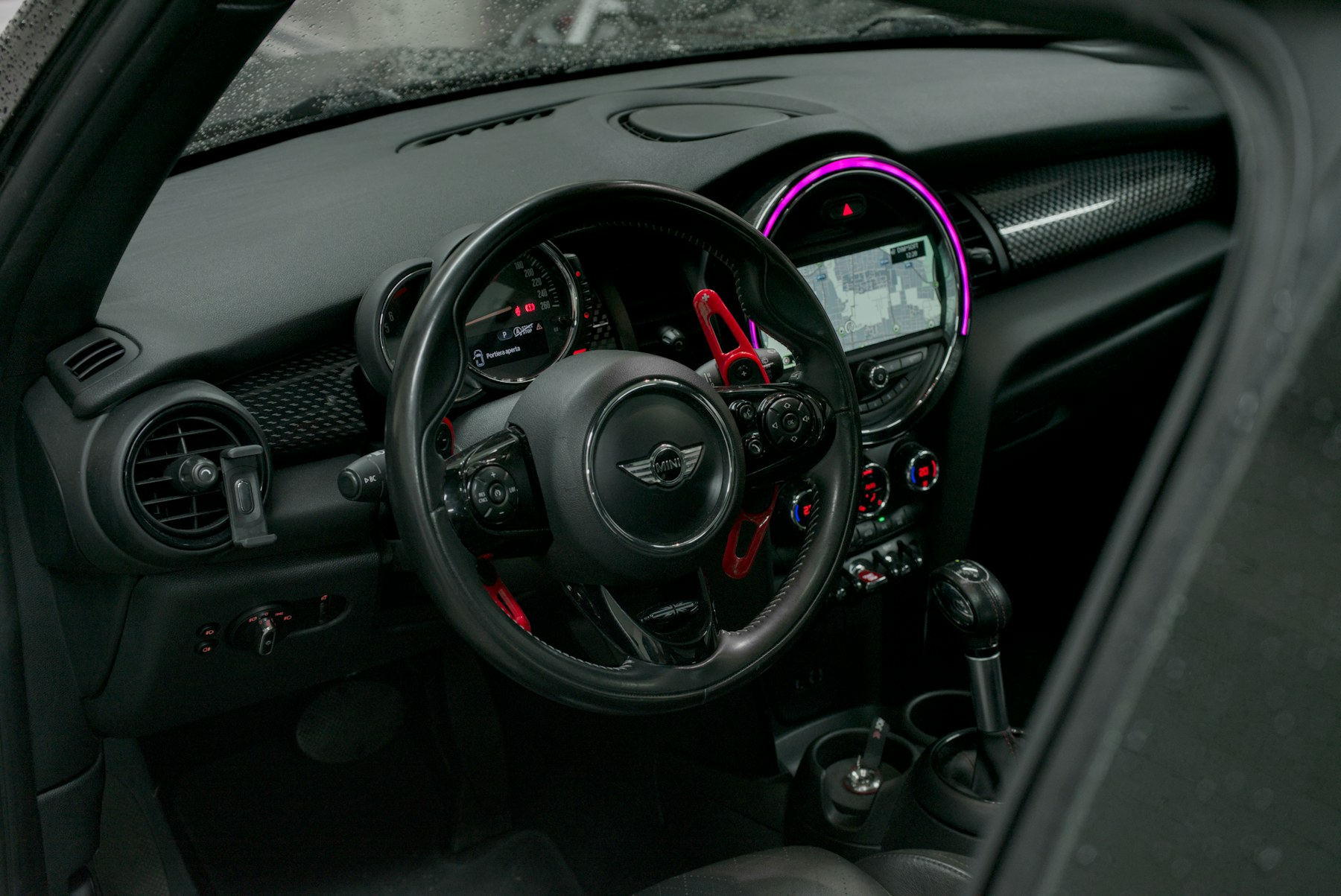
Stars are shorthand, not a complete description of a car’s safety. Match the tested vehicle, year, and equipment to the New Zealand car in front of you.
Match the rating to the vehicle
NZTA describes three rating sources used in New Zealand. ANCAP assesses new vehicles using controlled crash and crash-avoidance tests. Used Car Safety Ratings use real-world crash data for selected used vehicles. Vehicle Safety Risk Ratings cover many vehicles that do not have an ANCAP or UCSR result. These systems answer related questions, but they are not interchangeable labels.
The tested year matters because ANCAP’s criteria evolve. ANCAP says a rating carries a TESTED datestamp showing the year and requirements used for the assessment. A five-star result from an older protocol is not a direct measurement against a newer protocol. It remains a result for the vehicle tested, but buyers need the date to compare the level of assessment fairly.
Variant and equipment also matter. A rating may apply to all variants, a defined build range, or a vehicle with a particular safety specification. Check the rating page and the New Zealand model’s standard equipment instead of copying a star badge from a different engine, grade, market, or model year.
Who needs to check the source
This affects a new-car buyer choosing between similar models, a family shopping for a used vehicle, and an importer bringing a car from Japan or another market. NZTA specifically says ANCAP ratings do not apply to used imports. That does not mean an imported vehicle has no safety information; it means the buyer should use the rating source and vehicle history that NZTA identifies for that type of vehicle.
Rightcar is useful for the practical check. Look up the exact make, model, year, and body style, then read the safety features as well as the overall rating. Crash avoidance equipment, airbags, structural protection, tyre condition, child-seat fit, and a vehicle’s current condition all matter. A rating is evidence about a tested or analysed vehicle, not a guarantee that a damaged or poorly maintained example will protect occupants in the same way.
For comparisons, stay inside a sensible vehicle category. ANCAP’s information is designed to compare performance across relevant crash scenarios, but a small hatchback and a large SUV are not made equally safe by the same star count alone. Size, seating position, and the people outside the vehicle remain part of the decision.
What a star result does not prove
The rating page may not answer whether a specific used import has the same equipment as a New Zealand-new version. A seller still needs to provide the vehicle identity, build details, and repair history. A current score also does not confirm that every safety feature works on the particular car in front of you.
ANCAP has announced a new approach for vehicles tested from 2026, so a future rating may not be directly comparable with an older result without reading the test year and assessment details. Check Rightcar, NZTA, and ANCAP when you shortlist a vehicle.
Sources
- Vehicle safety ratings — NZ Transport Agency Waka Kotahi
- Car Safety FAQs — ANCAP Safety
- Vehicle ratings — Rightcar New Zealand
Source notes
The links below show the public material used to check the facts and limits in this story.
- Vehicle safety ratings NZ Transport Agency Waka Kotahi · accessed 2026-08-14 · The three rating sources used in New Zealand and the treatment of used imports.
- Car Safety FAQs ANCAP Safety · accessed 2026-08-14 · The scope of ANCAP ratings, tested-year dates, validity, and the difference from Used Car Safety Ratings.
- Vehicle ratings Rightcar New Zealand · accessed 2026-08-14 · The consumer-facing explanation of rating labels, rating changes, and safety features.