NZ EV road user charges: current rates and the 2026 reform
The Ministry of Transport closed its RUC-modernisation consultation on 12 June 2026, but it has not set a final fleet-wide transition date. EV owners should still budget against NZTA’s current rates.
Written and maintained by OpenBoot Editorial. Prices and policies can change, so use the linked source notes for the latest position.
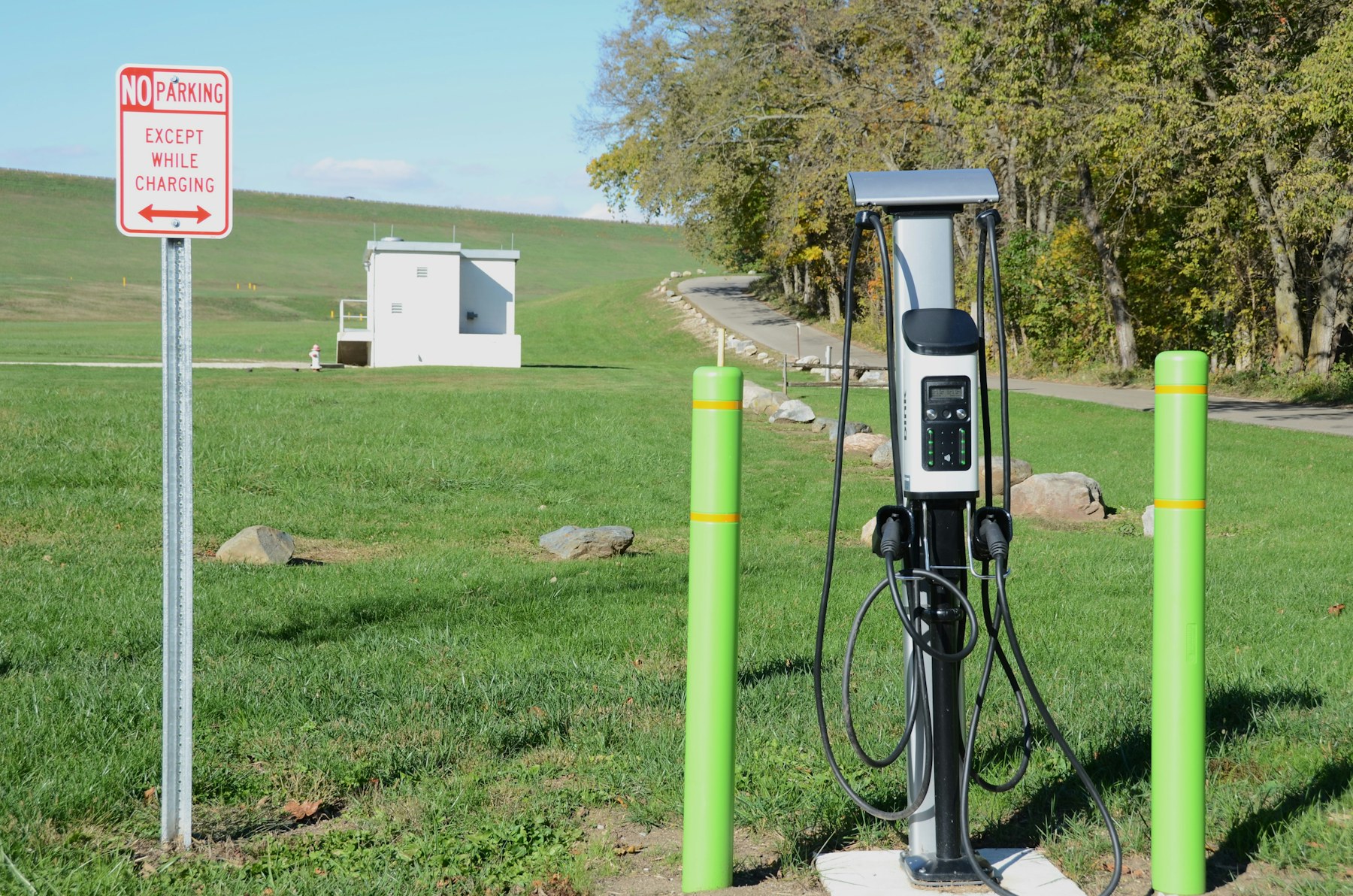
New Zealand’s RUC-modernisation consultation closed on 12 June 2026. For an EV owner, the current bill is still the same: NZTA lists $76 per 1,000km for a battery-electric light vehicle and $38 per 1,000km for a plug-in petrol hybrid.
The charge you budget today
The current rule applies to a vehicle powered fully or partly by externally supplied electricity when its manufacturer’s gross vehicle mass is 1,001–3,500kg. The powertrain and the vehicle’s weight both matter.
| Vehicle category | Current NZTA treatment |
|---|---|
| Battery-electric light vehicle | $76 per 1,000km |
| Plug-in petrol hybrid | $38 per 1,000km, because petrol excise is also paid |
| Plug-in diesel hybrid | $76 per 1,000km |
| Petrol hybrid that cannot plug in | No RUC licence; petrol excise applies |
| Very light electric vehicle below 1,000kg | No RUC under NZTA’s stated category |
Each licence purchase also has an administration fee: $12.44 online or in the NZTA app, and $13.71 through an agent. RUC is bought in 1,000km units, so a driver planning 12,000km would use the rate for twelve units before adding the applicable transaction fee. That is a budgeting illustration, not a quote for a particular vehicle or owner.
The June consultation changes the question, not the rate
The Ministry’s consultation was about regulations that would support a modernised RUC system if the Land Transport (Revenue) Amendment Bill is enacted. The proposals cover electronic distance recorders, approval and performance requirements for RUC providers, privacy safeguards, and alternative payment models such as post-paid systems.
The same page is clear about what is not settled: no final transition timeframe has been set. The consultation closing date is evidence that the policy work has moved forward; it is not an effective date for a new EV charge, a petrol-vehicle RUC obligation, or a new administration fee.
That distinction matters because a proposed electronic payment option is not the same thing as a compulsory live-tracking system. The Ministry’s current work is about the RUC system’s administration and future capability. An EV owner still needs to use the current NZTA process and display the current licence unless the rules change through the proper legislative and regulatory steps.
Make the comparison vehicle-specific
For a household comparison, keep four inputs on the same page: the exact vehicle’s GVM, whether it plugs in, the annual kilometres, and the date of the NZTA rate check. A model name can cover a battery EV, a plug-in hybrid, and a non-plug-in hybrid with different road-charge treatment.
Charging is a separate line. EECA’s guidance discusses home and public electricity costs, while RUC is charged by distance. Off-peak charging can change the electricity part of the calculation; it does not reduce the RUC amount for the same kilometres. Insurance, registration, servicing, tyres, and purchase price also remain outside the RUC rate.
An independent July 2026 rate reference from Calculate.co.nz matches NZTA’s $76 and $38 figures and the two transaction fees. It is useful as a cross-check, but NZTA is the source to use when the vehicle category or current charge is disputed.
The next check belongs on the purchase file
Before buying or renewing, record the vehicle plate, current odometer, GVM, powertrain, planned distance, and the current NZTA rate page. If an advertisement or spreadsheet assumes a future electronic RUC system, ask for that assumption in writing and keep it separate from the charge payable today.
Sources
- RUC for electric vehicles — NZ Transport Agency Waka Kotahi
- Proposed regulations for road user charges — consultation — Ministry of Transport
- Road User Charges system — Ministry of Transport
- How to charge your EV at home and on the road — EECA
- NZ Road User Charges (RUC) Rates 2026 — Calculate.co.nz
As at 16 August 2026, the unresolved question is when any wider RUC transition will take effect. Until an enacted law and final regulations provide that date, use the current NZTA category and rate for the vehicle in front of you.
Source notes
The links below show the public material used to check the facts and limits in this story.
- RUC for electric vehicles NZ Transport Agency Waka Kotahi · accessed 2026-08-16 · Current light-EV eligibility, vehicle categories, $76 and $38 rates, administration fees, the under-1000kg treatment, and the heavy-EV start date.
- Proposed regulations for road user charges — consultation Ministry of Transport · accessed 2026-08-16 · The 12 June 2026 consultation closing date, the proposed regulatory areas, the conditional nature of the changes, and the statement that no final transition timeframe has been set.
- Road User Charges system Ministry of Transport · accessed 2026-08-16 · The policy distinction between current EV RUC and the proposed modernisation of payment and administration for the wider light-vehicle fleet.
- How to charge your EV at home and on the road EECA · accessed 2026-08-16 · Separating charging choices and electricity costs from road user charges in an ownership calculation.
- NZ Road User Charges (RUC) Rates 2026 Calculate.co.nz · accessed 2026-08-16 · An independent cross-check of the current $76 BEV rate, $38 plug-in hybrid rate, and transaction fees; NZTA remains the controlling source.