Imported cars in New Zealand: the compliance checks before purchase
A vehicle being registered overseas does not prove it meets New Zealand standards. Check suitability before purchase, then plan border inspection, clearance, entry certification, and registration.
Written and maintained by OpenBoot Editorial. Prices and policies can change, so use the linked source notes for the latest position.
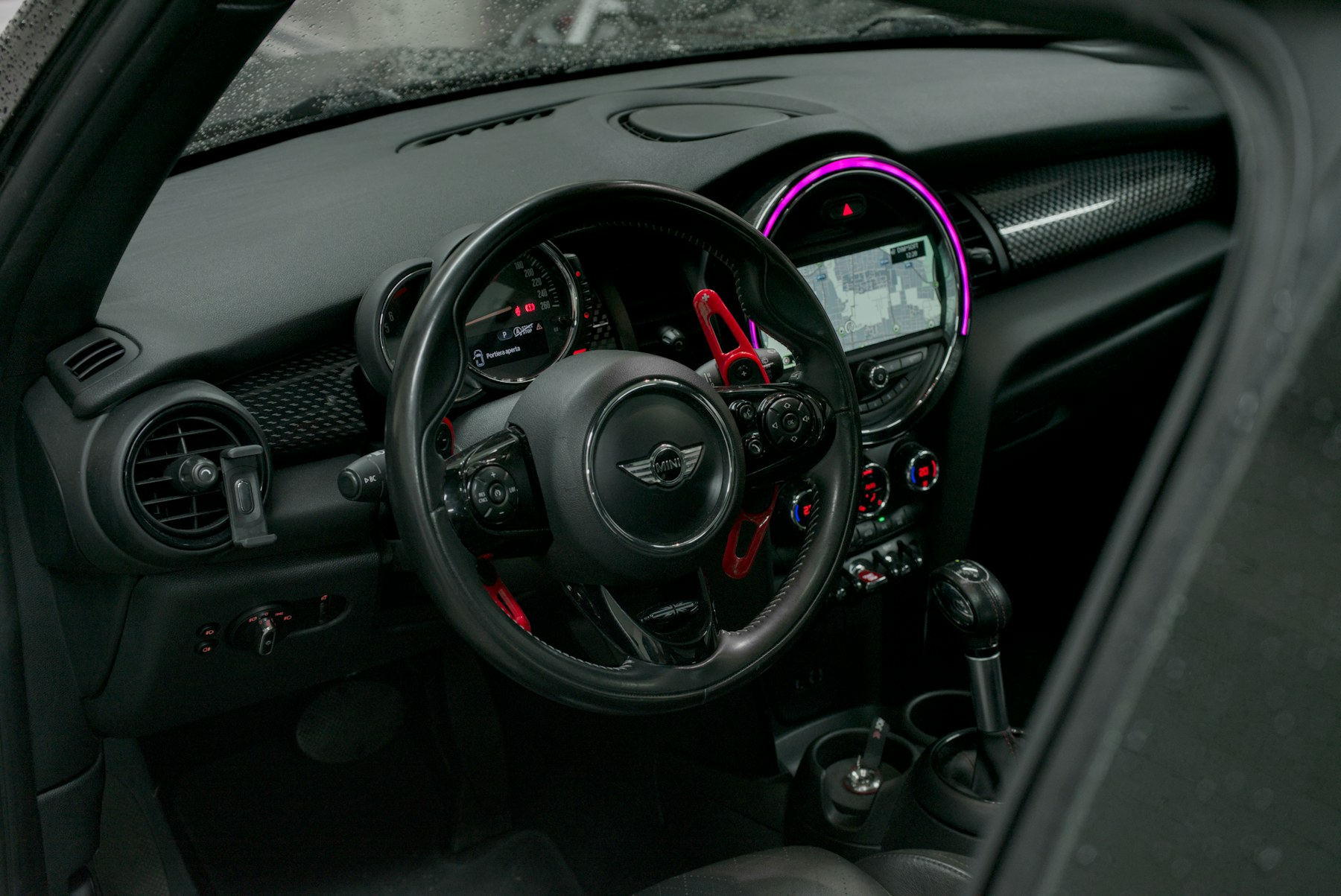
Importing a car into New Zealand is a compliance project as well as a shipping decision. Check the exact vehicle before paying a deposit.
Check compliance before the vehicle ships
The important fact for an importer is that overseas registration is not proof of New Zealand compliance. NZTA says the requirements differ by vehicle class, date of manufacture, and country of export, and that evidence is needed to show the vehicle meets the approved safety and emissions standards. A low price or clean overseas inspection report cannot replace that evidence.
NZTA’s recommended sequence starts with research. Identify the standards, talk to an entry certifier about the specific vehicle, check other government requirements, review possible recalls, and understand shipping and Customs arrangements before committing. After the vehicle lands, border inspection, Customs and biosecurity clearance, entry certification, and registration follow in the relevant order. A vehicle with major damage may need repair certification before it can complete entry certification.
Entry certification is more than a quick roadworthiness glance. NZTA says the certifier verifies the standards the vehicle met when manufactured, inspects its condition, checks who legally owns it, verifies the vehicle identity and VIN, and confirms information such as fuel consumption, CO2, gross vehicle mass, and unladen weight. If the vehicle meets requirements, the certifier issues the registration application and the relevant fitness documents.
Who needs an entry-certification plan
This affects private importers, parallel-import dealers, returning New Zealanders, and buyers considering a vehicle advertised as “ready to register”. Ask for the exact chassis or VIN, export country, build date, model code, ownership documents, compliance evidence, and any damage or repair history. Take that information to an approved entry certifier before paying a non-refundable deposit.
Country-specific guidance can change the evidence path. A Japanese vehicle, an Australian vehicle, a left-hand-drive vehicle, and a modified vehicle do not necessarily follow the same checks. The importer remains responsible for satisfying the requirements even when a shipping agent or customs broker helps with the paperwork.
Budget for more than freight. Border inspection, cleaning, repairs, specialist certification, entry certification, registration, licensing, and any required safety or emissions work can all affect the total. A vehicle that cannot meet the standard may be delayed, expensive to repair, or unsuitable for road use in New Zealand.
What only the exact vehicle can answer
No general checklist can approve a specific vehicle. The exact evidence and repair requirements depend on the vehicle record and the certifier’s assessment. A model name alone is not enough, and a local equivalent may have different equipment from the overseas car.
The process pages are standing guidance and can be updated. Check NZTA, Customs, MPI, and an approved entry certifier at the time of purchase. Treat “complies with local rules” in an advertisement as a statement to verify, not as the official decision to register the vehicle.
Sources
- The importing process — NZ Transport Agency Waka Kotahi
- Vehicle standards and evidence — NZ Transport Agency Waka Kotahi
- Entry certification — NZ Transport Agency Waka Kotahi
Source notes
The links below show the public material used to check the facts and limits in this story.
- The importing process - what you need to do NZ Transport Agency Waka Kotahi · accessed 2026-08-14 · The recommended order of research, standards checks, entry certification, registration, and recall checks.
- Complying with vehicle standards and providing evidence NZ Transport Agency Waka Kotahi · accessed 2026-08-14 · The role of vehicle class, manufacture date, export country, and evidence of safety and emissions compliance.
- Entry certification NZ Transport Agency Waka Kotahi · accessed 2026-08-14 · The inspection, ownership, identity, VIN, safety, emissions, and registration checks performed by an entry certifier.