Child restraints and new cars in New Zealand: checks for family buyers
The right family car is one that fits the child restraints you actually use. Check the vehicle, restraint, seating position, airbags, anchors, and access together before ordering.
Written and maintained by OpenBoot Editorial. Prices and policies can change, so use the linked source notes for the latest position.
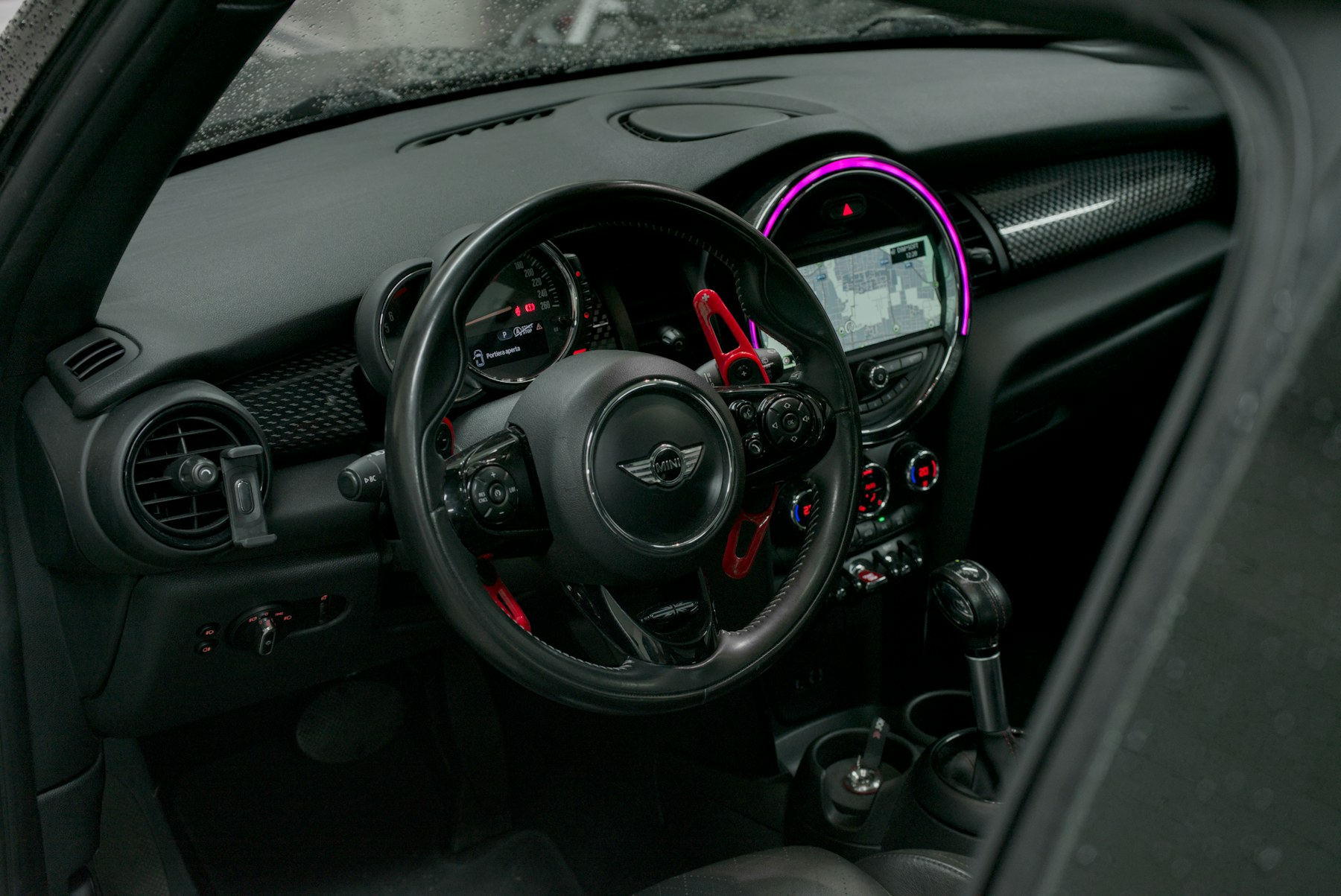
Child-restraint fit should be part of choosing a new car, not a job left until delivery day. A vehicle can have a large boot, a high safety rating, and a comfortable front cabin yet still be awkward for the restraint and children your family uses every day.
Start with the exact children and restraints
List each child, the restraint or booster currently used, the direction it faces, and the next stage you expect to use. Measure the widest part of each restraint and note whether it needs a top tether, a seat belt, ISOFIX, or a particular recline angle. Take the actual restraints to a dealer if possible.
NZTA's requirements say children under seven must use an approved child restraint. Children aged seven to eight must use an approved restraint if one is available, and older children must use a seat belt if one is available. NZTA also recommends a restraint or booster until the child reaches 148 centimetres. These are legal and safety checks, not a substitute for the instructions supplied with your particular restraint.
Test the rear seat in the real driving position
Set the driver's seat for the person who will drive most often. Then install the restraint in the position you plan to use. Check front-seat clearance, the rear seat angle, headroom, door opening, buckle access, and whether a passenger can reach the child without leaning into traffic.
For two or three restraints, test all of them together. A seat belt buckle may be hidden by a neighbouring shell. Two ISOFIX positions may leave no practical place for a third restraint. A centre position may not have the belt, top tether, or shape required by your product. Do not infer fit from the number of seats advertised.
NZTA's installation guidance says the back seat is best where possible and that a restraint must not be installed in front of an active airbag. Follow both the restraint manual and the vehicle manual. If the manuals disagree or the installation feels uncertain, pause and use a child-restraint technician rather than guessing.
Inspect attachment points and belts
Find the lower anchors and top-tether points in the vehicle. Confirm the labels and locations in the manual, then check that the restraint can be attached without twisting a strap or blocking another belt. Test the buckle with the child seat installed. The person who will buckle the child should be able to operate it without forcing their hand between two seats.
Check the adult seating positions too. A car may have three rear seats but a centre belt that is difficult to reach, a high tunnel that affects a child seat base, or a belt path that does not suit your restraint. For family use, practical access is part of the safety conversation.
Consider rear-facing and side access
NZTA's guidance says rear-facing is safest for a child until at least age two, subject to the restraint's instructions and limits. A rear-facing shell uses more front-to-back space than a forward-facing seat. Test it with the front passenger or driver in a normal position, not with the seat pushed unnaturally forward for a showroom demonstration.
Sliding rear doors can make loading easier, but they do not solve every fit problem. Check whether the door opens wide enough in the spaces where you normally park, whether a child can reach the handle, and whether a restraint sits clear of the door and pillar. A high SUV seating position can help some adults lift a child, while a lower car may make a child easier to buckle; the best answer is personal and should be tested.
Check the vehicle's other safety information
Look up the exact vehicle on ANCAP and note the rating year and model variant. Ask the dealer to confirm that the New Zealand car has the equipment covered by the rating. Check airbags, seat-belt reminders, electronic stability systems, and driver-assistance controls in the actual trim.
Do not use a safety rating as proof that a particular restraint will fit. ANCAP testing and child-restraint installation answer different questions. The rating helps compare vehicle performance; the physical trial checks your child, product, seat, and daily routine.
Make the boot and routine part of the test
Install the restraint, load the pram, place a nappy bag or school bag where it will travel, and practise getting the child in and out. Look for a flat loading lip, a clear view of the buckle, and enough room to keep loose items secured. NZTA's safety guidance also covers correct restraint use; loose cargo should not become a hazard in the cabin.
Ask the dealer for the current vehicle manual and restraint compatibility information. If you buy an imported or unusual model, confirm that local anchors, belts, and approved restraint standards match the product you intend to use.
Get the installation checked
This checklist cannot certify an installation or decide which restraint is suitable for a child. Fit depends on the exact vehicle, seat, child, restraint, and installation. Confirm the legal requirements with NZTA, follow the manufacturer instructions, and use a qualified child-restraint technician when the fit or attachment is uncertain.
Sources
Source notes
The links below show the public material used to check the facts and limits in this story.
- Requirements for using child restraints NZ Transport Agency Waka Kotahi · accessed 2026-08-14 · New Zealand age requirements, approved standards, and the advice to choose a restraint that fits the child and vehicle.
- Installing and using a child restraint NZ Transport Agency Waka Kotahi · accessed 2026-08-14 · Rear-seat, airbag, rear-facing, fitting, and manufacturer-instruction checks.
- Child restraint technicians manual NZ Transport Agency Waka Kotahi · accessed 2026-08-14 · The technical reference for fitting and checking child restraints.
- Car safety ratings ANCAP · accessed 2026-08-14 · Checking the safety rating and rating year of the exact vehicle under consideration.