How to shortlist a family car in NZ when the brief keeps changing
A family-car shortlist works best as a set of tests rather than a permanent wish list. Start with the jobs the car must do, then check space, safety, running costs, and flexibility.
Written and maintained by OpenBoot Editorial. Prices and policies can change, so use the linked source notes for the latest position.
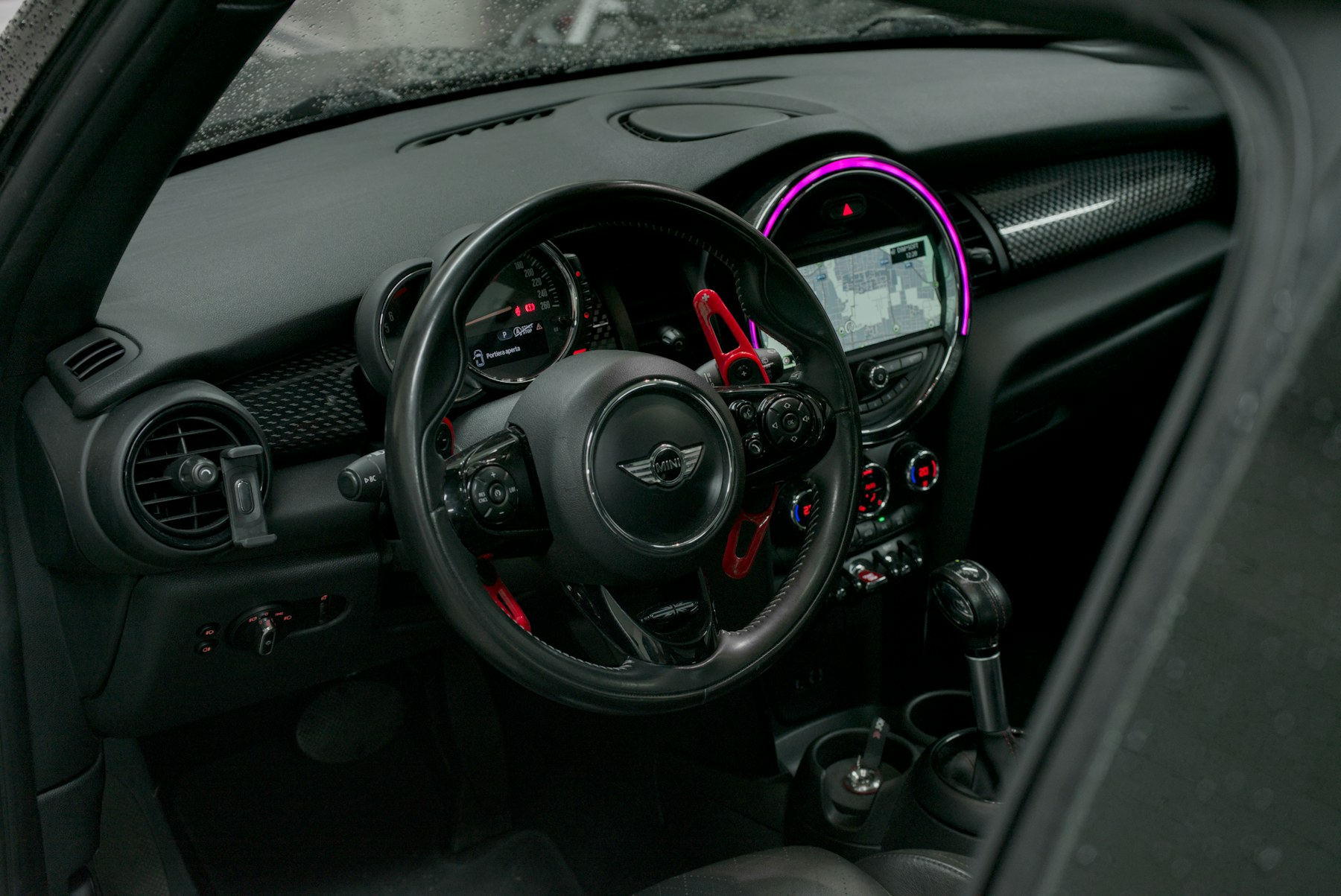
A family-car brief rarely stays still. A baby becomes a toddler, a second set of sports gear appears, grandparents join weekend trips, or a commute changes after a move. That does not mean you need the largest vehicle you can afford. It means the shortlist should be built around jobs, constraints, and checks that can survive a change of plan.
Start with the jobs, not the body style
Write down the regular jobs for the next two or three years. Include school or childcare runs, commuting, shopping, weekend trips, towing, gravel roads, and the number of adults who need to sit comfortably. Then separate “must happen every week” from “would be useful twice a year”.
This distinction prevents a rare holiday from forcing every weekday decision. If a trailer is used twice a year, hiring a vehicle or trailer for those trips may be cheaper and easier than carrying towing hardware all year. If three child restraints are used daily, the rear-seat layout is a hard requirement even when the boot looks generous.
Keep an unknowns column. Record questions such as “Will three restraints fit side by side?”, “Can the pram be lifted in without removing wheels?”, and “Can an adult reach the buckle?” A shortlist is useful when it reveals what still needs a physical test.
Turn the family into measurements
Take the equipment you really use to the dealer: a child restraint, pram, booster, sports bag, or the tallest family member’s driving position. Measure the folded pram and the width of each restraint. Do not rely on a brochure’s boot litres to answer a question about opening shape, seat position, or access.
Check the rear bench with the front seats set for the people who will drive. Look for usable legroom, headroom, door opening, and buckle access. Test the child restraints according to their instructions. NZTA says approved restraints must be used for children under seven, and its guidance tells buyers to choose a restraint that fits the vehicle and the child. A car that fits a product in a showroom photograph may not fit your exact combination safely.
Check safety as a vehicle-specific question
Use ANCAP to look up the exact make, model, variant, and rating year. A five-star result is useful context, but the result is tied to the vehicle tested and the assessment criteria at that time. Ask the dealer to confirm that the New Zealand vehicle has the same safety equipment as the model shown in the rating.
In the car, find the seat-belt anchors, ISOFIX or other child-restraint attachment points, airbag labels, and the controls for driver-assistance systems. Make sure the safety features you care about are standard on the variant you can actually buy. Ask what changes with an optional pack or a lower trim.
The safest shortlist is not the one with the most marketing language. It is the one where the buyer can name the relevant rating, equipment, seating arrangement, and limits.
Price the way the household will use it
Record the total handover cost separately from annual costs. Add registration or licensing amounts, accessories, servicing, insurance, finance, fuel or charging, parking, and tyres. EECA's vehicle comparison calculator can help structure comparisons between petrol, hybrid, plug-in hybrid, and electric vehicles, but the result depends on the assumptions entered.
Use your annual kilometres and routes rather than a national average. A short urban commute, a rural school run, and long holiday trips put different weight on a hybrid system, a larger engine, or access to home charging. If a model only works on paper with a low fuel price or very low servicing cost, write that down as a sensitivity rather than treating it as a fact.
Keep the shortlist small and testable
Three vehicles are usually enough for a useful comparison. For each one, keep the exact variant, price date, safety rating, warranty terms, fuel type, seat count, boot test, and the unanswered questions. Remove a car when it fails a hard requirement; do not keep it because the colour or headline price is attractive.
Run the same test in each vehicle: install the restraints, load the pram, sit in every seat, adjust the driver position, inspect visibility, and drive the road types your family actually uses. Ask for a written quote showing the vehicle, options, on-road costs, and delivery timing.
Make the shortlist physical
This method cannot predict how a family will use a car in five years, and published specifications do not replace a physical fit test. Stock, trim equipment, price, warranty wording, and safety ratings can change. Confirm each item with the manufacturer or dealer before ordering, and get specialist advice for restraint installation if the fit is uncertain.
Sources
Source notes
The links below show the public material used to check the facts and limits in this story.
- Car safety ratings ANCAP · accessed 2026-08-14 · Checking the current safety rating, rating year, and safety information for shortlisted vehicles.
- Vehicle comparison calculator EECA · accessed 2026-08-14 · Comparing purchase and running-cost assumptions across petrol, hybrid, plug-in hybrid, and electric vehicles.
- Child restraint requirements NZ Transport Agency Waka Kotahi · accessed 2026-08-14 · The New Zealand child-restraint ages, approved standards, and fit considerations used in the family checklist.
- Features that protect you NZ Transport Agency Waka Kotahi · accessed 2026-08-14 · The reminder to inspect seat-belt access and occupant-protection features in the actual vehicle.