Electric vehicle road user charges in New Zealand: what to budget for
EV ownership in New Zealand includes a road charge as well as electricity. Here is how to identify the applicable RUC category and keep it in the budget.
Written and maintained by OpenBoot Editorial. Prices and policies can change, so use the linked source notes for the latest position.
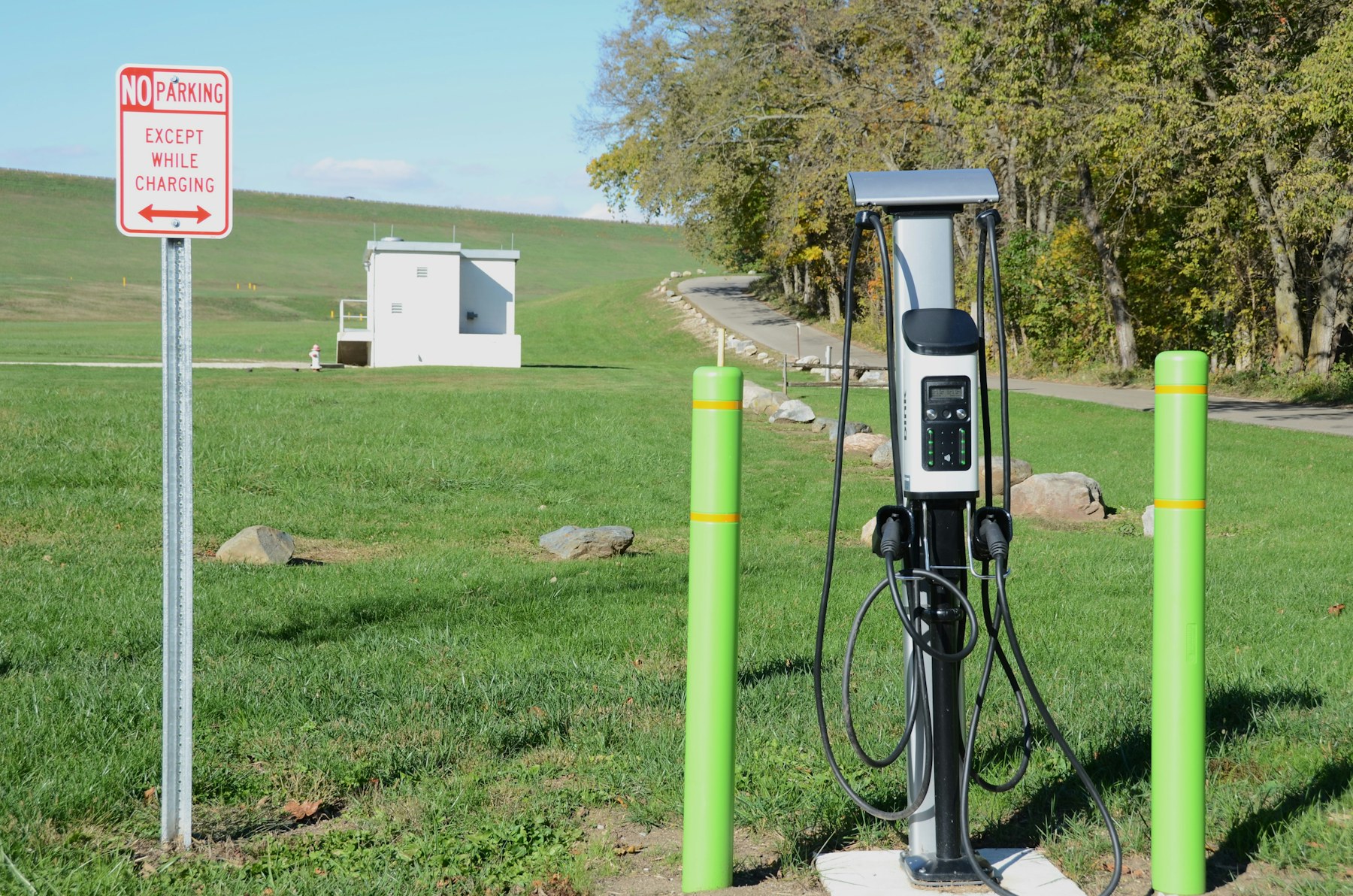
Electric vehicles do not avoid every road-related cost. In New Zealand, many light EV owners pay road user charges, or RUC, as well as the electricity used to charge the vehicle. The charge is based on distance rather than litres of fuel.
That makes RUC easy to miss in a first ownership estimate. The car may have a low energy cost per kilometre, but the budget still needs a separate line for the road charge and its administration fee.
What RUC is replacing
Most petrol drivers contribute to road maintenance through fuel excise duty included in the price of petrol. RUC is the distance-based system used by many diesel vehicles and by light electric vehicles. NZTA's explanation is the useful starting point: road users contribute to upkeep through one mechanism or another.
For an EV buyer, the key point is that electricity is not petrol and does not include the same fuel excise arrangement. Paying an electricity bill therefore does not settle the road-use contribution. A RUC licence is bought in advance for a distance and must be kept current.
This is a running cost, not an optional add-on. Include it beside charging, tyres, servicing, insurance, and registration when comparing an EV with a petrol or hybrid car.
Which light vehicles are covered
NZTA says a light electric vehicle needs RUC when it is powered fully or partly from externally supplied electricity and has a manufacturer gross vehicle mass, or GVM, of 1,001–3,500kg. This covers ordinary battery-electric cars in that weight band and also covers some plug-in hybrids.
The powertrain label alone is not enough. Check the exact vehicle's GVM and whether it can plug in. NZTA separates the categories as follows:
| Vehicle type | NZTA treatment described on the current RUC page |
|---|---|
| Battery electric vehicle | Usual light EV RUC rate applies |
| Plug-in petrol hybrid | Lower RUC rate applies because petrol fuel excise is also paid |
| Plug-in diesel hybrid | Usual light-vehicle RUC rate applies |
| Petrol hybrid that cannot plug in | No RUC licence; petrol fuel excise applies |
| Diesel hybrid that cannot plug in | RUC already applies |
| Very light electric vehicle below 1,000kg | NZTA says no RUC is required for this category |
The table is a budgeting aid, not a substitute for checking the vehicle's classification. A model name can be used for several powertrains and grades, and a PHEV is not treated like a conventional petrol hybrid.
How the current light rates work
NZTA currently lists $76.00 per 1,000km for a battery electric vehicle in the usual light-EV category. It lists $38.00 per 1,000km for a plug-in petrol hybrid. Each licence purchase also has an administration fee: NZTA lists $12.44 when bought online or through the NZTA app, and $13.71 when bought from an agent.
These amounts can change. Use them to understand the calculation, then confirm the current rate on NZTA's RUC page before buying or renewing. The administration fee is easy to overlook because it is attached to each purchase rather than every kilometre.
For a rough annual budget, divide the expected annual distance by 1,000, multiply by the applicable rate, then add the purchase fee. For example, a driver expecting 12,000km should plan around twelve 1,000km units, but the actual purchase and odometer process should follow NZTA's instructions. Avoid presenting the result as a final quote when the distance, category, and rate are uncertain.
Buying and keeping the licence current
NZTA says you need the vehicle's plate number, current odometer reading, and a way to pay when buying RUC. The licence is displayed on the windscreen. Keep the odometer reading and purchase record with the vehicle documents so the next renewal is based on evidence.
The practical habit is to buy enough distance before a long trip rather than waiting until the licence expires. If the vehicle changes owner, check how the licence and odometer reading are handled. If the vehicle is a PHEV, confirm that the licence category matches the vehicle's fuel and plug-in configuration rather than relying on the word “hybrid” in an advertisement.
Put RUC beside, not inside, charging costs
EECA's charging guidance helps explain why charging and RUC should be separate. Home charging, public charging, peak electricity, and off-peak electricity describe the energy used by the car. RUC describes distance travelled on the road. A driver can reduce charging cost through a home charger or a time-of-use plan without changing the RUC amount for the same kilometres.
The same separation helps compare an EV with a hybrid. A petrol hybrid may avoid RUC but still uses fuel. A PHEV may use less petrol for short trips while adding both charging decisions and a lower RUC rate. A conventional hybrid may be easier for a driver without home charging, but its running cost depends on fuel price, driving pattern, and service requirements.
OpenBoot's EV prices are public comparison references. They do not include a personalised annual RUC estimate, and a list price may exclude on-road costs, accessories, finance, insurance, and current dealer conditions. Add RUC as a separate line before deciding that one powertrain is cheaper.
Questions to ask before purchase
Ask the seller or manufacturer:
- What is the exact GVM of the vehicle and which RUC category applies?
- Is the vehicle fully electric, plug-in petrol hybrid, plug-in diesel hybrid, or a non-plug-in hybrid?
- What current rate and administration fee does NZTA publish?
- What annual distance should be used for the household's budget?
- Is the advertised price a public list price or a complete drive-away quote?
- What other ownership costs are likely to change the comparison?
Those questions make a road charge visible before the contract is signed. They also help prevent a petrol-hybrid assumption being carried into an EV or PHEV calculation.
Sources
- RUC for electric vehicles — NZ Transport Agency Waka Kotahi
- Road user charges system — Ministry of Transport
- How to charge your EV at home and on the road — EECA
- OpenBoot editorial policy
Check the current rate
Rates, fees, exemptions, vehicle classifications, and government policy can change. This guide does not calculate a legal obligation for a specific vehicle. Confirm the current NZTA category, GVM, odometer process, and rate before buying or renewing a licence.
Source notes
The links below show the public material used to check the facts and limits in this story.
- RUC for electric vehicles NZ Transport Agency Waka Kotahi · accessed 2026-08-14 · The current light-electric-vehicle RUC categories, rates, purchase units, administration fees, and licence display requirements.
- Road user charges system Ministry of Transport · accessed 2026-08-14 · The policy purpose of road user charges and the distinction between fuel excise and distance-based charging.
- How to charge your EV at home and on the road EECA · accessed 2026-08-14 · The difference between electricity or public charging costs and the separate road-use budget.
- OpenBoot editorial policy OpenBoot · accessed 2026-08-14 · The limits of catalogue prices and the need to confirm current ownership costs against primary sources.