How to work out whether home charging will suit your electric car
Home charging can make EV ownership simple, but the right answer depends on parking, wiring, daily distance, electricity plans, and the equipment your car needs.
Written and maintained by OpenBoot Editorial. Prices and policies can change, so use the linked source notes for the latest position.
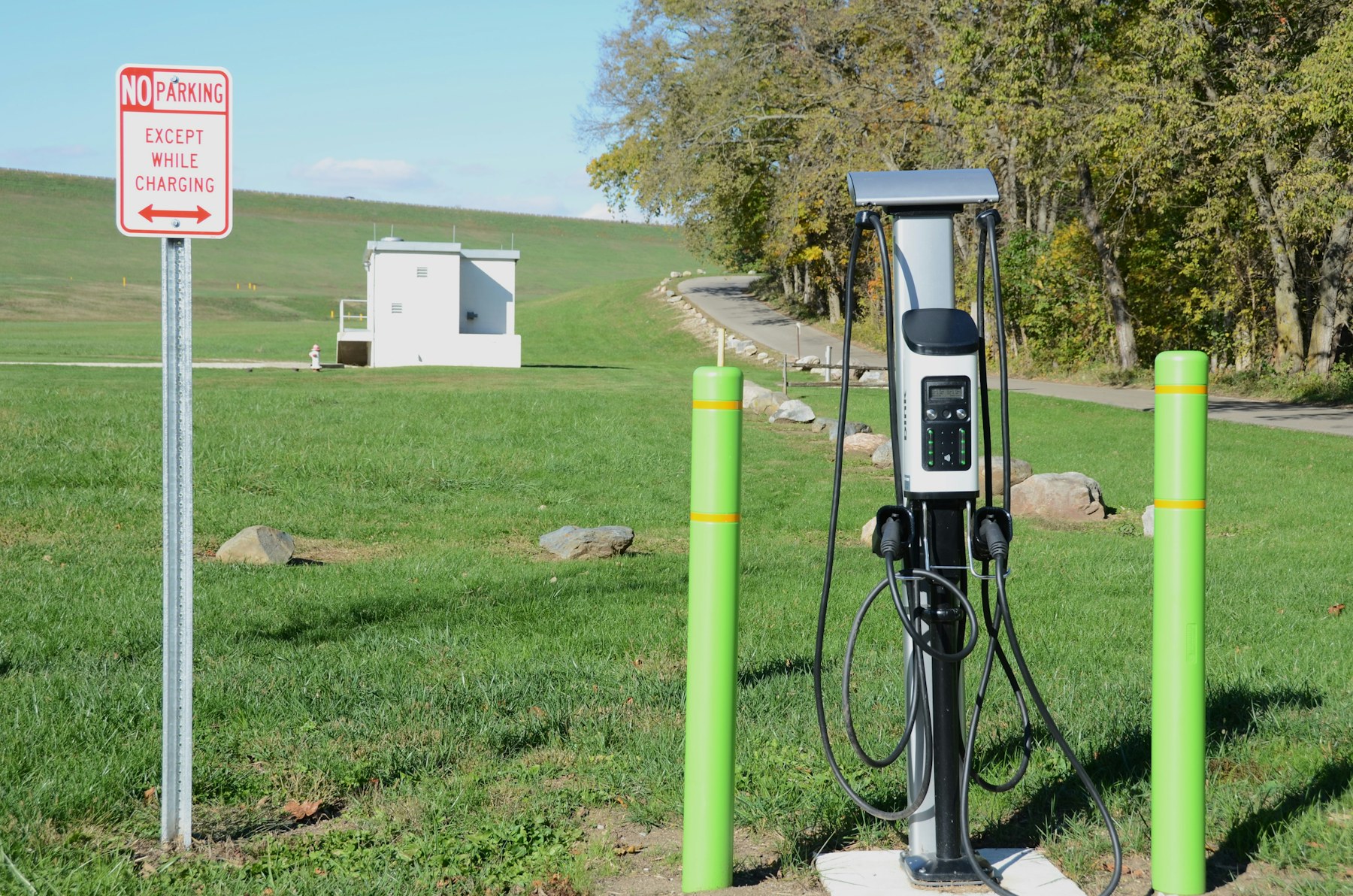
Home charging is one of the details that can turn an electric car from easy to awkward. The car itself may be suitable, but the household still needs a safe place to park, a practical cable route, equipment that matches the property, and a charging routine that fits daily life.
The decision can be made before you order the vehicle. Walk through the checks below and record what is known, what needs an electrician, and what depends on the exact EV.
Begin with the parking space
The first question is not “which charger should I buy?” It is “where will the car spend most nights?”
EECA's guidance assumes a useful home setup has off-street parking. A cable should not cross a public footpath, driveway entrance, or a place where people can trip. If the car sits on the street, the home may still be part of the charging plan only if there is a lawful, safe arrangement that does not create a hazard.
For a driveway, check the distance from the likely charger position to the car's charge port. Consider both sides of the parking space because the next EV may place its port somewhere different. For a garage, check ventilation, weather protection, cable storage, and whether the charger can be reached without driving over it. For an apartment or townhouse, ask the body corporate or landlord about permission, metering, fire-safety rules, and responsibility for the cable and wall.
Take a photograph and sketch the cable route. This small exercise gives an installer useful information and exposes problems that a model comparison will not show.
Understand the three common equipment choices
A portable three-pin cable is convenient because it may be supplied with the car and can work from an appropriate socket. It is slow, and EECA says it is not designed to be the primary home-charging method for a heavily used or higher-capacity EV. Never improve the arrangement with an extension lead, multi-box, double plug, travel adaptor, or a modified overseas cable.
A standard wall-mounted unit is a dedicated charging point. It can make regular charging more convenient and efficient, but it still needs the property and installation to be checked. A smart wall charger adds scheduling, app control, and load-management features. It can help a household use off-peak electricity and reduce the chance that the car and other high-load appliances overwhelm the home's available supply.
EECA gives indicative figures of $1,000–$1,500 for a smart charger and $500–$1,000 for installation. Those are planning figures, not a quote. The actual cost can change with switchboard work, cable length, trenching, wall access, the property's electrical capacity, and local labour.
Ask for an electrical assessment
The charger must suit the house as well as the car. Ask a qualified electrician or charger specialist to check the switchboard, circuit protection, cable route, earthing, mounting surface, and the likely load when the car charges alongside hot water, heating, cooking, or solar equipment.
Older homes may need work before a charger is installed. A smart unit with load balancing may be useful where the household has several large electrical loads, but it does not remove the need for compliant installation. Request the documentation that shows the work was completed correctly, and keep it with the vehicle and home records.
If you are buying a used EV, inspect the cable and any wall unit as carefully as the car. EECA advises using equipment suitable for New Zealand's 230-volt supply and asking for a Supplier Declaration of Conformity when buying a charging cable or wall-mounted unit. An overseas cable that has been fitted with a New Zealand plug is not automatically safe.
Match charging speed to the way you drive
The charger rating is only one part of the charging time. The vehicle's onboard AC charger, battery size, battery state of charge, temperature, and the household supply all matter. Ask the manufacturer for the exact variant's maximum AC charging rate and the cable supplied with it.
For a short daily commute, a slow overnight charge may provide enough energy. For a high-mileage work vehicle, a wall unit may reduce the number of hours needed at home. A larger charger is not automatically better if the car cannot accept the power or if the property needs expensive upgrades to support it.
Write down a normal week's distance, the time the car is at home, and the energy required for the longest regular day. Then ask whether the planned equipment can replace that energy before the next departure. This is more useful than comparing headline charging speeds without a routine attached.
Check the electricity plan and charging controls
Charging at home is often cheaper than public charging, but the household's plan matters. EECA points to off-peak and time-of-use plans as ways to reduce charging cost. Compare the actual rate, daily charge, controlled-load conditions, and any time window with the time the car is usually parked.
A smart charger can schedule charging, but the vehicle may also have its own timer. Decide which system will control the schedule. Two competing schedules can leave the battery lower than expected. Set a minimum charge for important trips and check how the system behaves after a power cut, app outage, or vehicle software update.
Solar changes the question again. A charger may be able to use surplus solar, but the result depends on generation, household use, battery storage, export rules, and the car's charging controls. Do not assume every sunny-hour charge is free or that a standard wall unit will automatically follow solar output.
Use a go/no-go checklist
Before treating home charging as part of the EV budget, confirm:
- the parking space is off-street and the cable will not create a public hazard;
- the landlord, body corporate, or property owner has approved the work where required;
- a qualified person has checked the switchboard and installation route;
- the equipment is intended for New Zealand's electrical supply and has the relevant documentation;
- the charger and car use compatible plugs and charging standards;
- the estimated installation cost is separate from the vehicle price;
- the electricity plan has a practical charging window; and
- a backup plan exists for long trips or an unavailable home charger.
OpenBoot's EV catalogue can help compare models, but the catalogue price is a public comparison reference rather than a drive-away quote. Add the charger, installation, electricity, RUC, insurance, and tyres to the ownership worksheet. If home charging is too difficult, compare a hybrid or a public-charging routine honestly rather than forcing the EV decision.
Sources
- How to charge your EV at home and on the road — EECA
- Smart EV chargers: faster, safer, cheaper — EECA
- Safely charging your electric vehicle at home — WorkSafe New Zealand
- Compare different electric vehicle options — EECA
Get a qualified site check
This guide does not inspect a property or recommend a particular charger. Electrical capacity, installation cost, permissions, vehicle compatibility, and electricity rates vary. Have the proposed installation assessed by a qualified New Zealand professional and confirm the exact EV's charging specifications before purchase.
Source notes
The links below show the public material used to check the facts and limits in this story.
- How to charge your EV at home and on the road EECA · accessed 2026-08-14 · Home charging options, safe use of cables, off-street parking, public charging context, and charging planning.
- Smart EV chargers: faster, safer, cheaper EECA · accessed 2026-08-14 · Smart charger capability, indicative charger and installation cost ranges, off-peak charging, and electrical installation checks.
- Electrical safety guidance for EV charging WorkSafe New Zealand · accessed 2026-08-14 · The need to use suitable electrical equipment and qualified advice when installing or using EV charging equipment.
- Compare different electric vehicle options EECA · accessed 2026-08-14 · The role of home charging in deciding whether a battery-electric vehicle fits a household.