Public EV charging in New Zealand: a first-time buyer's planning guide
Public charging can support EV ownership without a home wall unit, but first-time buyers need a route plan, connector check, payment method, and time buffer.
Written and maintained by OpenBoot Editorial. Prices and policies can change, so use the linked source notes for the latest position.
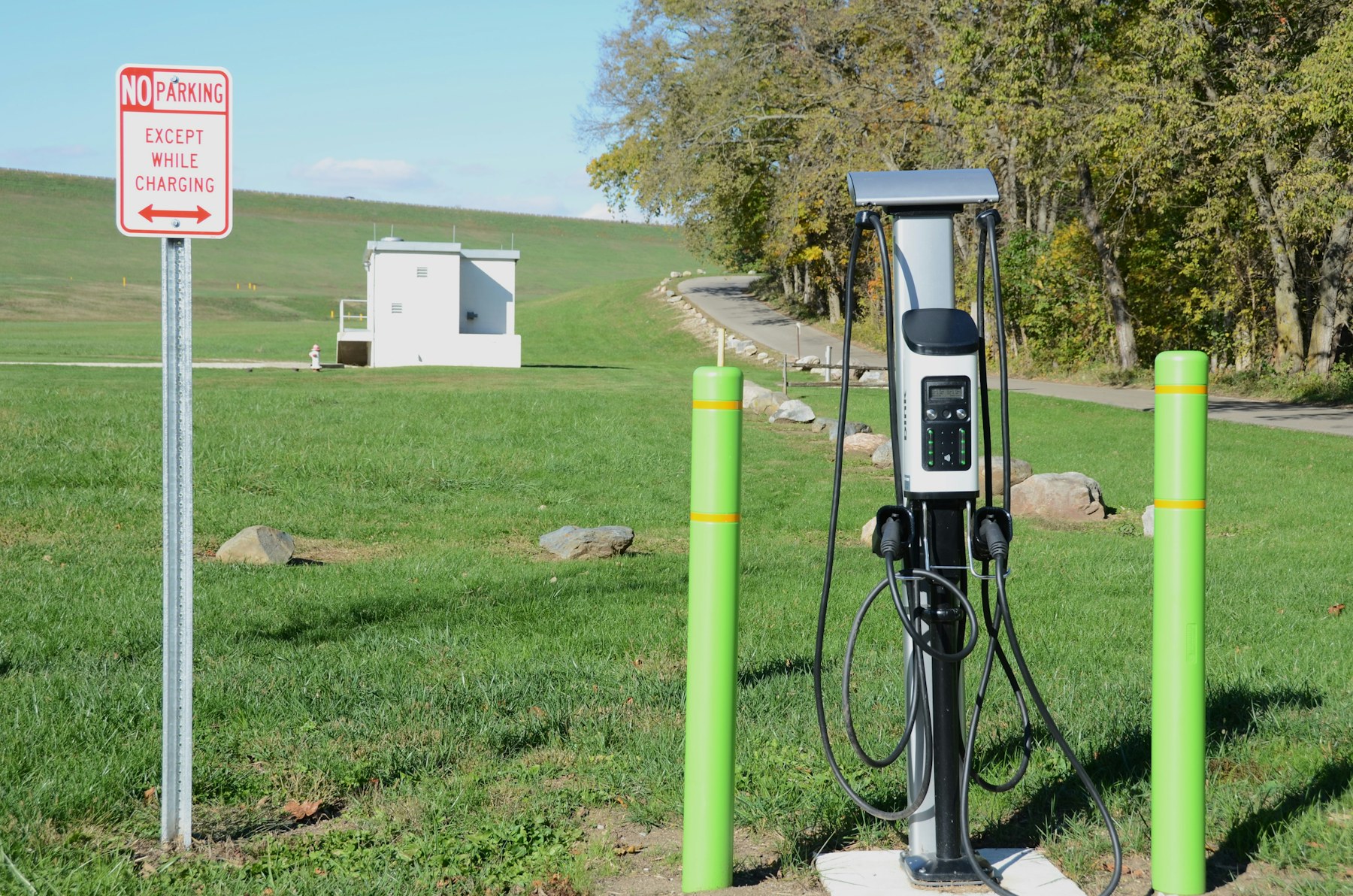
Public charging is often the first worry raised by someone considering an electric car. The practical answer is less dramatic than the question: public charging can work, but it needs to be treated as part of the route and the ownership budget.
The planning standard for a first-time buyer is simple. Know where the car can charge, how long that stop may take, which connector it needs, how payment works, and what you will do if the chosen charger is busy or unavailable.
Decide how central public charging will be
Start with the household's real parking situation. A driver with a reliable home charger may use public sites mainly for holidays and long work trips. A driver without off-street parking may depend on public charging several times a week. Those are different ownership experiences even if the same EV is used.
EECA's 2025 charging research found home charging was the predominant method among surveyed EV owners, with public charging still used by a substantial share. That is useful context, not a rule. If you cannot charge at home, test the public routine before buying: identify a charger near work, shopping, the gym, or an overnight destination and check how often it is realistically available.
The right comparison is the time already spent at a place. A slower charger beside a supermarket may be useful if the car is parked there for an hour. A high-power highway charger may be useful on a trip, even though it costs more and the stop is planned around the battery rather than an errand.
Understand AC and DC charging
Public AC chargers generally add energy more slowly. They may be useful when the vehicle is parked for a while, and the driver may need to bring a compatible cable. Public DC fast chargers provide their own cable and are designed for a shorter stop, but the actual result depends on the car's maximum DC rate, battery temperature, state of charge, and the charger output.
EECA gives rough illustrations rather than promises: a 25kW DC charger can add about 50km in under 30 minutes, and a 50kW charger can add about 50km in under 15 minutes. A faster charger may add more, but only when the vehicle can accept that power and the battery is in the right part of its charging curve. The final part of a charge usually slows, so a stop to 80% can be more time-efficient than waiting for 100% when another station is available later.
Ask the manufacturer for the exact car's AC and DC limits. Do not choose a car only because a nearby station advertises a large kilowatt number.
Check the connector and payment path
Before a trip, match the car's charging inlet with the connector shown in the network app or station listing. Confirm whether the cable is tethered or must be carried. Keep the cable supplied with the car in the vehicle and check its condition.
Set up the charging network account before the first long journey. Add a payment method, learn how to start and stop a session, and find out whether the network uses an app, contactless card, RFID tag, or a mixture. A phone with no signal, a flat battery, or an app that has logged out can turn a simple stop into a problem. Keep a second payment option where the network supports one.
Use the operator's status information, but treat it as a planning aid rather than a guarantee. EECA points drivers toward charger maps and route-planning tools and notes that PlugShare includes user reports. Check the last update, connector type, opening hours, parking limits, and any idle or overstay charges.
Plan the first route with a buffer
For a long trip, choose a primary stop and a backup. The backup does not need to be equally fast; it needs to be reachable with the battery reserve you are willing to keep. Include hills, wind, cold weather, traffic, luggage, roof boxes, and towing in the planning margin.
EECA says chargers are available at least every 75km along most state highways, but coverage does not mean every site has the connector, capacity, or availability you need. A route through several towns may still have a single suitable high-power site at each point. Holiday traffic can turn a comfortable plan into a queue.
For the first trip, leave earlier, stop before the battery is critically low, and record the actual time and energy added. That turns an abstract range estimate into information about your car and your route. After two or three trips, you will know which sites fit your routine.
Budget the whole charging habit
The cost of a public session is only one part of EV ownership. Add electricity, the applicable RUC rate, insurance, tyres, servicing, and any home equipment. NZTA says light electric vehicles in the relevant weight band pay RUC, and the amount is purchased in distance units with an administration fee. A public charger does not include that road cost.
Public charging can also be more expensive than home charging. That does not make it a bad solution if it replaces difficult installation or paid parking, but it should be compared honestly. Record the price per kWh or session, parking cost, travel distance to the charger, and the time spent there. If a site is beside a place you already visit, its practical cost may be different from a detour to a cheaper station.
Public-charging etiquette is part of reliability
Use a charger only while charging, return the cable safely, and leave when the charging session is finished or the site limit requires it. EECA advises taking only the energy needed, often stopping around 80% when the route allows, and not unplugging another vehicle without permission.
These habits matter because a network with several plugs can still feel small at peak times. Planning a backup and moving on promptly improves the odds that the next driver can use the site too.
OpenBoot's EV catalogue is a shortlist tool, not a live charging map or a dealer quote. Check the current vehicle price, connector specification, warranty, and charging guidance from the manufacturer before purchase.
Sources
- How to charge your EV at home and on the road — EECA
- EV charging research 2025 — EECA
- RUC for electric vehicles — NZ Transport Agency Waka Kotahi
- OpenBoot editorial policy
Check these details before a trip
Charging availability, tariffs, queues, connector standards, and network policies change. The 75km statement describes most state highways, not every route or every usable charger. Check the current operator information and the exact vehicle manual before relying on a route plan.
Source notes
The links below show the public material used to check the facts and limits in this story.
- How to charge your EV at home and on the road EECA · accessed 2026-08-14 · Public charging locations, AC and DC charger differences, route-planning tools, connector guidance, and charging etiquette.
- EV charging research 2025 EECA · accessed 2026-08-14 · New Zealand evidence about home and public charging behaviour among EV owners.
- RUC for electric vehicles NZ Transport Agency Waka Kotahi · accessed 2026-08-14 · The separate road-user charge that still applies to many light electric vehicles, regardless of public charging cost.
- OpenBoot editorial policy OpenBoot · accessed 2026-08-14 · The limits of OpenBoot public comparison prices and the need to confirm current vehicle and ownership costs.