Hybrid running costs in New Zealand: what to compare before buying
Hybrid badges do not produce one standard ownership cost. Compare the system type, driving pattern, fuel use, service plan, and road-charge treatment together.
Written and maintained by OpenBoot Editorial. Prices and policies can change, so use the linked source notes for the latest position.
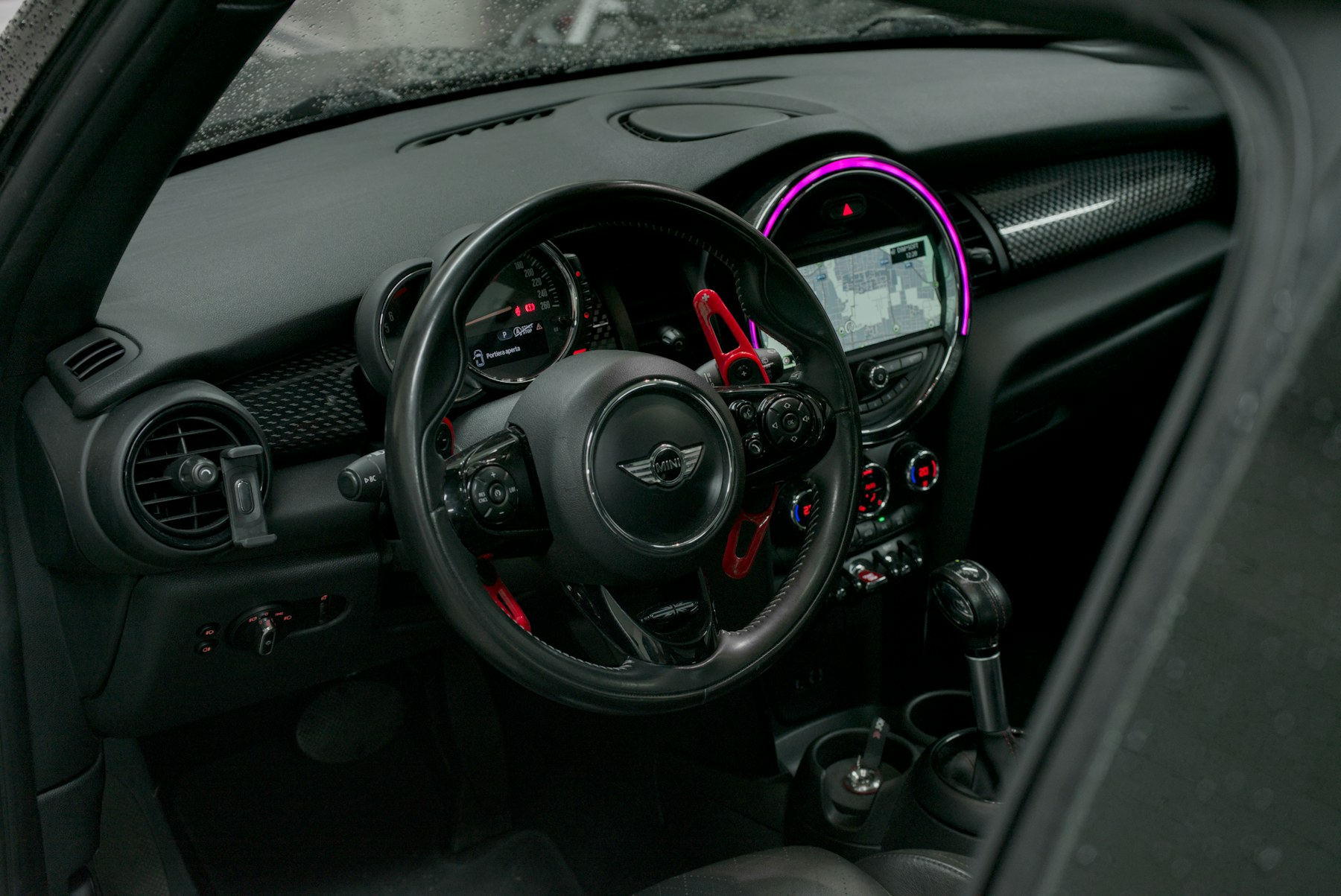
“Hybrid” is a useful label, but it is not a running-cost calculation. A small petrol hybrid, a plug-in SUV, and a diesel hybrid ute can have very different fuel, charging, service, road-charge, and insurance costs.
The safest way to compare them is to separate the powertrain first, then use the same ownership worksheet for every finalist.
Identify which hybrid you are comparing
A conventional hybrid combines a combustion engine with an electric motor and battery but cannot be plugged in. It recovers energy during braking and manages the engine and motor together. A plug-in hybrid can take energy from an external charger and also carries a combustion engine. EECA treats these as different options because the charging routine and use case are different.
The label also affects road charges. NZTA says a petrol hybrid that cannot plug in does not need to buy RUC because petrol fuel excise duty applies. A plug-in petrol hybrid pays a lower light-vehicle RUC rate, while a diesel hybrid follows the RUC treatment for diesel vehicles. Confirm the exact classification for the vehicle rather than assuming every hybrid is exempt.
Record the powertrain, fuel, transmission, drive wheels, and vehicle weight before looking at a price. This avoids comparing a mild-hybrid system with a full hybrid or a PHEV as though each has the same behaviour.
Use your driving pattern as the first cost assumption
Hybrid efficiency depends on how the car is used. A conventional hybrid may gain more from stop-start urban driving than from a long motorway run because it can recover braking energy and use the electric motor at lower loads. A PHEV can reduce petrol use on short trips when it is charged regularly, but the benefit falls when the car is rarely plugged in or is driven long distances with a depleted battery.
Write down actual weekly distances, road types, average load, and the number of cold starts. Include school runs, shopping, a commute, weekend travel, and any towing. Use a conservative annual distance rather than a vague “average driver” figure.
The manufacturer's fuel-consumption figure is a comparison input, not a promise. Hills, speed, temperature, tyres, roof racks, traffic, and heating change the result. Keep the test figure and your household assumption in separate cells so the difference remains visible.
Price fuel without pretending the future is fixed
Use a simple range instead of one confident answer. Calculate annual kilometres divided by 100, multiply by the vehicle's consumption assumption, then multiply by a low and high petrol price. Repeat the calculation for the two or three fuel-use scenarios that feel realistic for the household.
The result shows sensitivity. If a small change in fuel price changes the ranking, the purchase price, warranty, servicing, or fit for purpose may matter more than a tiny consumption difference. If the car covers a high annual distance, the fuel column may be more influential, but do not let it erase the cost of finance or insurance.
For a PHEV, split the calculation into electric kilometres and petrol kilometres. State how often the car will be charged and how much of the normal week is likely to fit within that electric use. A PHEV that is never plugged in should be compared as a heavy hybrid with an engine, not as an EV.
Add servicing and consumables
Consumer Protection's car-maintenance guidance says service cost and the level of service depend on the make and model. It also recommends regular servicing because a check can identify small problems before they become expensive. Ask for the exact service interval, scheduled-service prices, warranty conditions, roadside-assistance term, and the location of authorised service providers.
Do not assume the electric part of a hybrid means every service is cheap. The vehicle still has tyres, brakes, suspension, fluids, cooling systems, electronics, and a combustion engine in a conventional hybrid or PHEV. A hybrid's regenerative braking may change brake wear, but that is not a reason to omit brakes from the budget.
For a used hybrid, ask about battery-health checks and the warranty position. For a new vehicle, read the battery and hybrid-system warranty separately from the general vehicle warranty. Check what happens if servicing is carried out outside the dealer network and whether the warranty requires particular inspections.
Keep road charges visible
Petrol hybrids that cannot plug in have petrol fuel excise inside their fuel price and do not buy light-EV RUC, according to NZTA. A plug-in petrol hybrid has both a charging decision and the lower RUC rate listed by NZTA. A diesel hybrid pays RUC through the diesel system.
This means “hybrid avoids road charges” is too broad. The correct question is “which charge applies to this exact vehicle, and how does it sit beside fuel or electricity?” Add the charge to the annual estimate rather than hiding it in a general ownership line.
Compare the price evidence carefully
OpenBoot's hybrid price guide helps show where variants sit in the public New Zealand market. The catalogue figure is a comparison reference observed from a source, not a guaranteed offer. Check the date, the exact grade, on-road costs, campaign terms, accessories, finance, and stock with the manufacturer or dealer.
The cheapest hybrid is not automatically the cheapest to own. A manual hatch, a small SUV, and a seven-seat PHEV can all appear in the same filter while doing very different jobs. Compare the work the car must do before comparing the last dollar of fuel use.
A hybrid-cost worksheet
| Cost or question | What to record |
|---|---|
| Purchase | Variant price, ORC, accessories, finance, and price date |
| Fuel | Annual kilometres, realistic consumption, and fuel-price range |
| Electricity | Home or public charging for a PHEV, if applicable |
| Road charges | Petrol excise, RUC, or both according to the exact type |
| Servicing | Interval, scheduled prices, warranty requirements, and location |
| Consumables | Tyres, brakes, fluids, insurance, and registration |
| Suitability | Seats, cargo, towing, parking, and long-trip needs |
Use a three-year view as well as a one-year view. Include the cost of a charger for a PHEV, even when charging is optional. Then ask which assumptions you would still believe if fuel prices, electricity plans, or the car's resale value moved against you.
Sources
- Compare different electric vehicle options — EECA
- RUC for electric vehicles — NZ Transport Agency Waka Kotahi
- Fixing your car — Consumer Protection New Zealand
- OpenBoot editorial policy
Keep the estimate honest
This method does not forecast a specific household's fuel or electricity bill and does not estimate depreciation. Manufacturer consumption tests, fuel prices, service pricing, insurance, RUC rules, and warranty terms can change. Confirm the exact variant and current NZ guidance before purchase.
Source notes
The links below show the public material used to check the facts and limits in this story.
- Compare different electric vehicle options EECA · accessed 2026-08-14 · The distinction between conventional hybrids, plug-in hybrids, and battery-electric vehicles and the role of driving pattern.
- RUC for electric vehicles NZ Transport Agency Waka Kotahi · accessed 2026-08-14 · The different RUC treatment for petrol hybrids, diesel hybrids, and plug-in hybrids.
- Fixing your car Consumer Protection New Zealand · accessed 2026-08-14 · The role of regular servicing, service schedules, and the fact that service cost depends on the make and model.
- OpenBoot editorial policy OpenBoot · accessed 2026-08-14 · The distinction between catalogue comparison prices and a dealer's complete current offer.