Hybrid or petrol in New Zealand: compare the use case, not the badge
A hybrid can suit some driving patterns and a petrol car can suit others. Compare the actual route, price gap, fuel assumptions, warranty, and practical space before choosing.
Written and maintained by OpenBoot Editorial. Prices and policies can change, so use the linked source notes for the latest position.
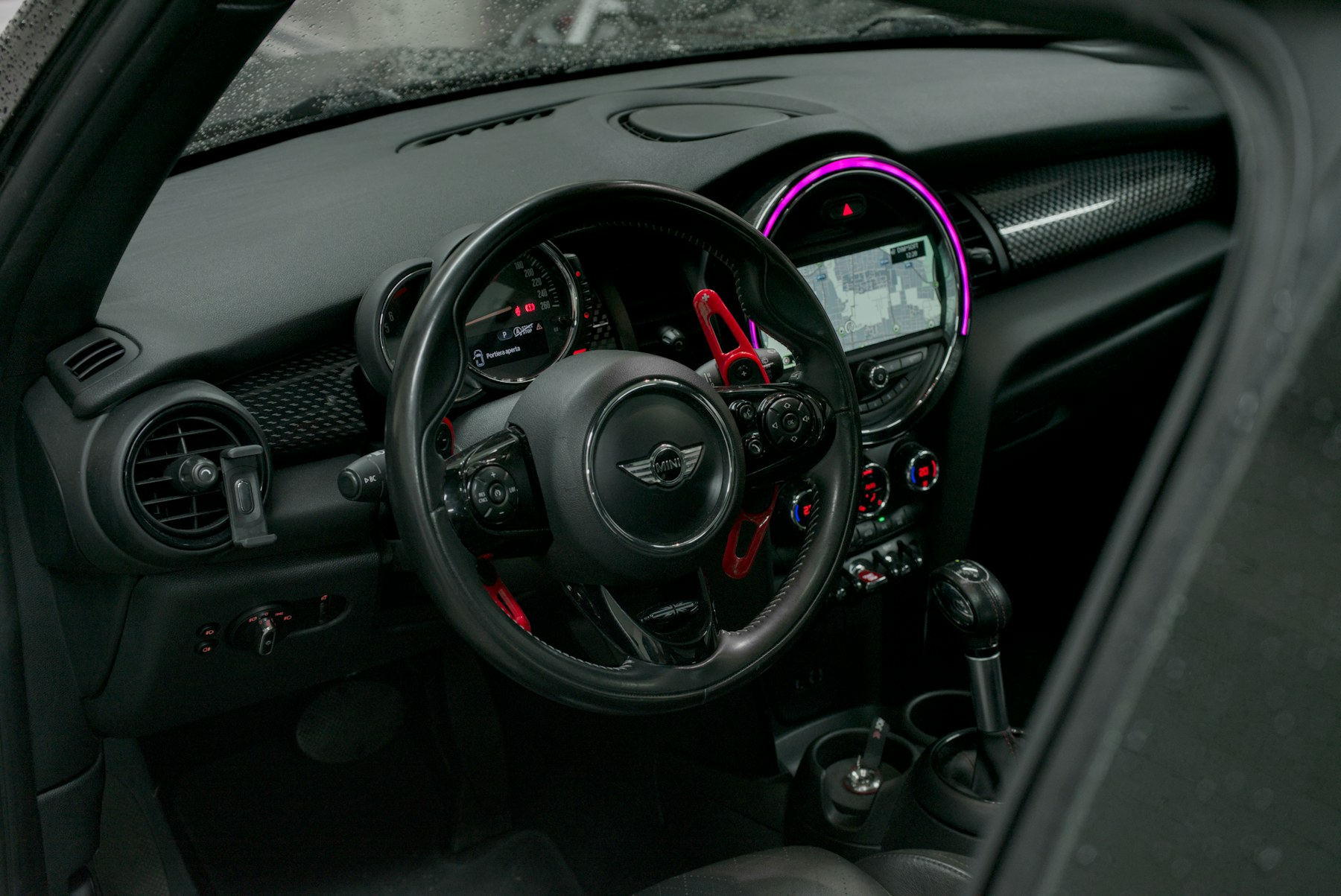
“Hybrid” is a useful description, not a complete buying argument. A standard hybrid, a plug-in hybrid, and a petrol car make different demands on the driver, the route, the budget, and the service plan. The best comparison starts with the way you travel.
Identify the powertrain correctly
EECA explains that a standard hybrid combines a combustion engine with a battery or on-board electric motor and cannot be plugged into an external power supply. A plug-in hybrid has a battery that can be charged from an external source and an engine for longer trips. A battery-electric vehicle has no combustion engine. Do not compare all three under one loose “electric” label.
For this guide, “hybrid” means a standard non-plug-in hybrid unless stated otherwise. Confirm the exact system in the manufacturer's New Zealand information. The name on the boot lid may not tell you how charging, towing, luggage space, or servicing work.
Match the car to the route
Write down annual kilometres and divide them into urban, rural, motorway, hills, stop-start traffic, and long trips. A standard hybrid can be attractive when the route involves frequent slowing and acceleration because its system is designed to work with an electric motor and regenerative braking. That does not guarantee a particular fuel saving on every trip.
A petrol car may be the simpler choice when the price gap is large, annual distance is low, the driving is mostly steady open-road travel, or the available petrol model has the space and towing equipment you need. A plug-in hybrid only delivers its strongest electric-use case when it can be charged regularly and the daily trip fits its electric range.
Use EECA's calculator with your assumptions. Keep fuel price, annual distance, electricity price, vehicle price, finance, servicing, and ownership period visible. The calculator is a comparison aid; its result is not a promise of your personal cost.
Compare the price gap honestly
Put the exact hybrid and petrol trims side by side. Record the cash price, on-road costs, included safety features, wheels, boot configuration, warranty, service plan, and expected delivery. A hybrid with a higher trim can look expensive because equipment has been bundled into the comparison.
Then calculate how long the purchase-price difference would take to recover under several fuel-use assumptions. Use a low, middle, and high annual distance. If the result changes completely when the fuel price moves by a small amount, say so. A buyer may still prefer the hybrid for quieter urban driving or the petrol car for its lower upfront commitment, but that is a preference rather than a certain payback.
Check the practical compromises
Inspect the boot floor, spare-wheel arrangement, rear-seat space, and towing rating. Battery packaging can change cargo space or the location of a spare wheel, although the effect varies by model. Take the pram, child restraints, or work gear you actually use.
Ask about servicing intervals, battery warranty, powertrain warranty, roadside assistance, and what happens if the vehicle is modified or used for towing. Consumer Protection says a manufacturer warranty is extra protection and that buyers should read its terms. Save the specific warranty booklet for the model and market you are buying.
Use vehicle-specific energy information
EECA's vehicle label generator is designed to provide energy-consumption and emissions information for an individual vehicle. Use the VIN or other accepted identifier when available. Manufacturer test figures are useful for comparison, but they do not reproduce every driver's traffic, weather, load, tyre, and driving style.
For a fair test, drive both powertrains on the same urban loop and the same open-road route. Start with similar temperatures and tyre pressures if possible. Listen for engine noise, test hill starts, check regenerative-braking feel, and ask how the car behaves when the battery is at a lower state of charge. Treat the drive as a fit check, not a laboratory result.
Consider ownership and resale carefully
Write down how long you expect to keep the vehicle and who may buy it later. A hybrid's future value is affected by model demand, battery condition, service history, warranty, and market changes. A petrol car has its own fuel-price, emissions, and demand risks. Resale predictions are uncertain, so do not make them carry the entire decision.
If you are buying with finance, compare the total repayable amount rather than the weekly figure. Include any service plan or optional warranty in the cash-price comparison. A lower repayment can simply mean a longer term or a larger final payment.
A practical choice rule
Choose the hybrid when its route fit, price gap, space, warranty, and expected use make sense without relying on an optimistic fuel-saving assumption. Choose petrol when it meets the daily job at a lower commitment and the hybrid's advantages do not matter to your household. Choose a plug-in hybrid only after checking charging access, electric range, and the petrol use on longer trips.
Check the assumptions before buying
Fuel use, servicing costs, battery terms, prices, and available trims change by model and time. The article does not calculate a guaranteed saving or assess a particular vehicle's battery condition. Confirm current New Zealand specifications, warranty terms, charging requirements, insurance, and a written quote before ordering.
Sources
Source notes
The links below show the public material used to check the facts and limits in this story.
- Compare electric vehicle types and benefits EECA · accessed 2026-08-14 · Explaining the difference between a standard hybrid, plug-in hybrid, and battery-electric vehicle.
- Vehicle comparison calculator EECA · accessed 2026-08-14 · Comparing purchase and running-cost assumptions for hybrid and petrol alternatives.
- Vehicle emissions and energy economy label generator EECA · accessed 2026-08-14 · Checking vehicle-specific energy and emissions information using a VIN or other identifier.
- Warranties Consumer Protection New Zealand · accessed 2026-08-14 · The reminder to compare written warranty terms, including any separate powertrain or battery cover.