New-car warranties in New Zealand: what to check before signing
A new-car warranty is one part of the purchase decision. Check its duration, exclusions, servicing rules, roadside cover, transfer terms, and the rights that may sit alongside it.
Written and maintained by OpenBoot Editorial. Prices and policies can change, so use the linked source notes for the latest position.
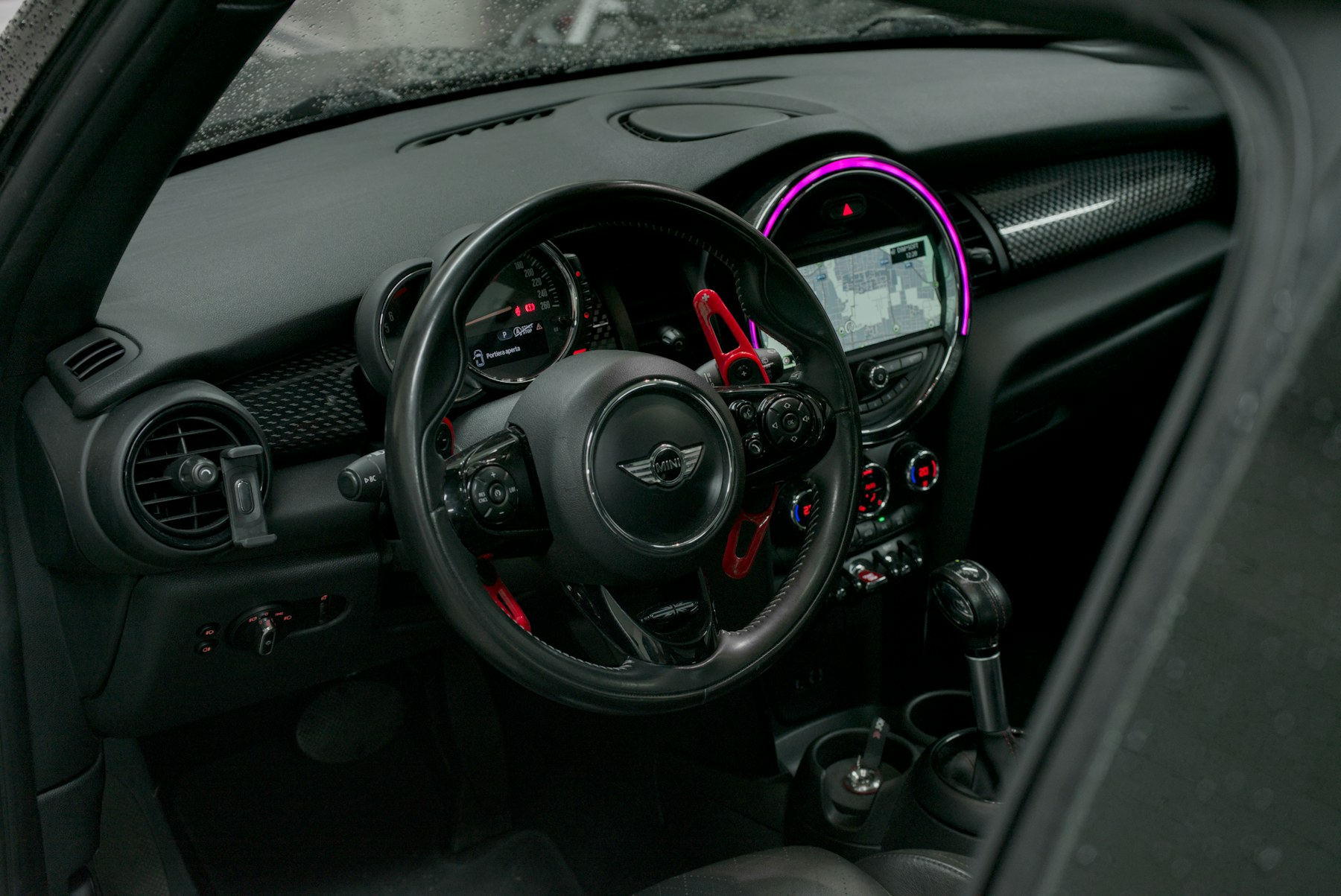
The word “warranty” can make a new-car purchase feel safer, but the document still needs reading. A factory warranty, a dealer promise, roadside assistance, a service plan, and rights under the Consumer Guarantees Act are different things. Put them in separate columns before comparing two offers.
Begin with the warranty document
Ask for the current warranty booklet or terms for the exact New Zealand model and powertrain. A brochure summary may not show every exclusion. Record the time limit, kilometre limit, start date, and any separate cover for the battery, paint, corrosion, tyres, entertainment system, and accessories.
Check whether the warranty starts at delivery, first registration, or an earlier demonstrator date. Ask how a replacement vehicle, pre-registered stock, or dealer demonstrator is treated. If the vehicle is being ordered, ask what happens if the model year or equipment changes before delivery.
Look for the claims process. Who must be contacted, what evidence is needed, and which repairers can do the work? A warranty that requires approval before repairs is different from a general promise that a dealer will “look after you”. Save the terms and the salesperson's written answers with the sale agreement.
Separate warranty terms from CGA rights
Consumer Protection describes a manufacturer warranty as extra protection. The Consumer Guarantees Act can apply when a consumer buys from a business, and it includes guarantees about acceptable quality, safety, durability, fitness for purpose, and matching description. The precise application depends on the transaction and facts.
That does not mean every fault produces an automatic refund or that a buyer can ignore the warranty instructions. The remedy can depend on the seriousness of the problem, what caused it, how the vehicle was used, and the seller's response. Do not accept a statement that a warranty expiry automatically ends every possible right; get advice if a dispute arises.
If the vehicle is bought for business use, the agreement and circumstances can change the position. Consumer Protection notes that some CGA rights can be contracted out of in business transactions if the legal requirements are met. Confirm the position rather than copying a consumer purchase assumption into a fleet deal.
Read servicing and maintenance conditions
Write down the service intervals, time or kilometre triggers, fluid specifications, inspection requirements, and record-keeping rules. Ask what happens if a service is late, completed by an independent workshop, or done in another city. The answer should come from the actual warranty terms, not a general comment about “keeping it maintained”.
Ask about software updates, recall work, tyres, wheel alignment, towing, accessories, modifications, and off-road use. These subjects may be handled differently from a manufacturing defect. A tow bar fitted after purchase may have its own warranty and may affect the manufacturer's requirements. Get the impact of an accessory in writing before paying for it.
Price optional cover on its own merits
An extended warranty can be an optional product with its own limits, exclusions, claims process, and price. Compare the cover with the manufacturer's warranty and the protections already available. Ask who the provider is, whether the cover transfers if the car is sold, and whether a claim is capped by part, event, or vehicle value.
Consumer Protection's car guidance says buyers should weigh up an extended warranty and breakdown insurance rather than assuming the extra product is necessary. That is not a verdict on every offer. A buyer should check the exact terms, the vehicle's expected ownership period, and the cost of likely uncovered repairs.
Avoid rolling an optional product into a weekly repayment without seeing its cash price. Record the price, interest charged on it, cancellation terms, and whether the cover begins immediately or after the factory warranty. Keep a copy of every page that was part of the offer.
Check the sale agreement at the same time
Before signing, verify the VIN or chassis number, odometer, model and trim, included accessories, delivery date, total price, on-road costs, finance details, and any promised repair or upgrade. Consumer Protection specifically recommends checking that the vehicle details, add-ons, and on-road-cost breakdown match what was agreed.
Ask the dealer to write down any promise that matters to your decision. “The tow bar will be included” and “the service plan covers five years” should appear in the offer or an attached document. If the promise is absent, the memory of the conversation may not settle what was purchased.
If something goes wrong
Contact the seller or warranty provider promptly, describe the fault, and keep dates, photographs, diagnostic reports, invoices, and repair instructions. Do not authorise an expensive repair elsewhere before checking whether approval is required. If a dealer dispute cannot be resolved, check the Motor Vehicle Disputes Tribunal's eligibility and process; it is a forum, not a substitute for reading the contract or getting legal advice.
Where the checklist stops
This article gives a buying checklist, not legal advice or a decision on a specific fault. Warranty wording, vehicle use, business status, modifications, and the seller's identity can change the result. Confirm the current terms with the manufacturer and seller, and obtain independent legal or consumer advice if the warranty or CGA position is disputed.
Sources
Source notes
The links below show the public material used to check the facts and limits in this story.
- Warranties Consumer Protection New Zealand · accessed 2026-08-14 · Distinguishing an express manufacturer warranty from rights under the Consumer Guarantees Act and identifying extended-warranty questions.
- Consumer Guarantees Act Consumer Protection New Zealand · accessed 2026-08-14 · The basic guarantees around acceptable quality, safety, durability, fitness for purpose, and description when buying from a business.
- Car sales contracts and warranties Consumer Protection New Zealand · accessed 2026-08-14 · Checking the vehicle agreement, add-ons, on-road costs, and the relationship between dealer purchases and CGA rights.
- Motor Vehicle Disputes Tribunal New Zealand Ministry of Justice · accessed 2026-08-14 · Identifying the specialist dispute pathway to check if a buyer and motor vehicle trader cannot resolve a covered dispute.