Small car or SUV in New Zealand: a practical comparison for buyers
A small car and an SUV solve different problems. Compare the actual seats, cargo, safety equipment, running cost, access, and parking needs instead of assuming bigger is better.
Written and maintained by OpenBoot Editorial. Prices and policies can change, so use the linked source notes for the latest position.
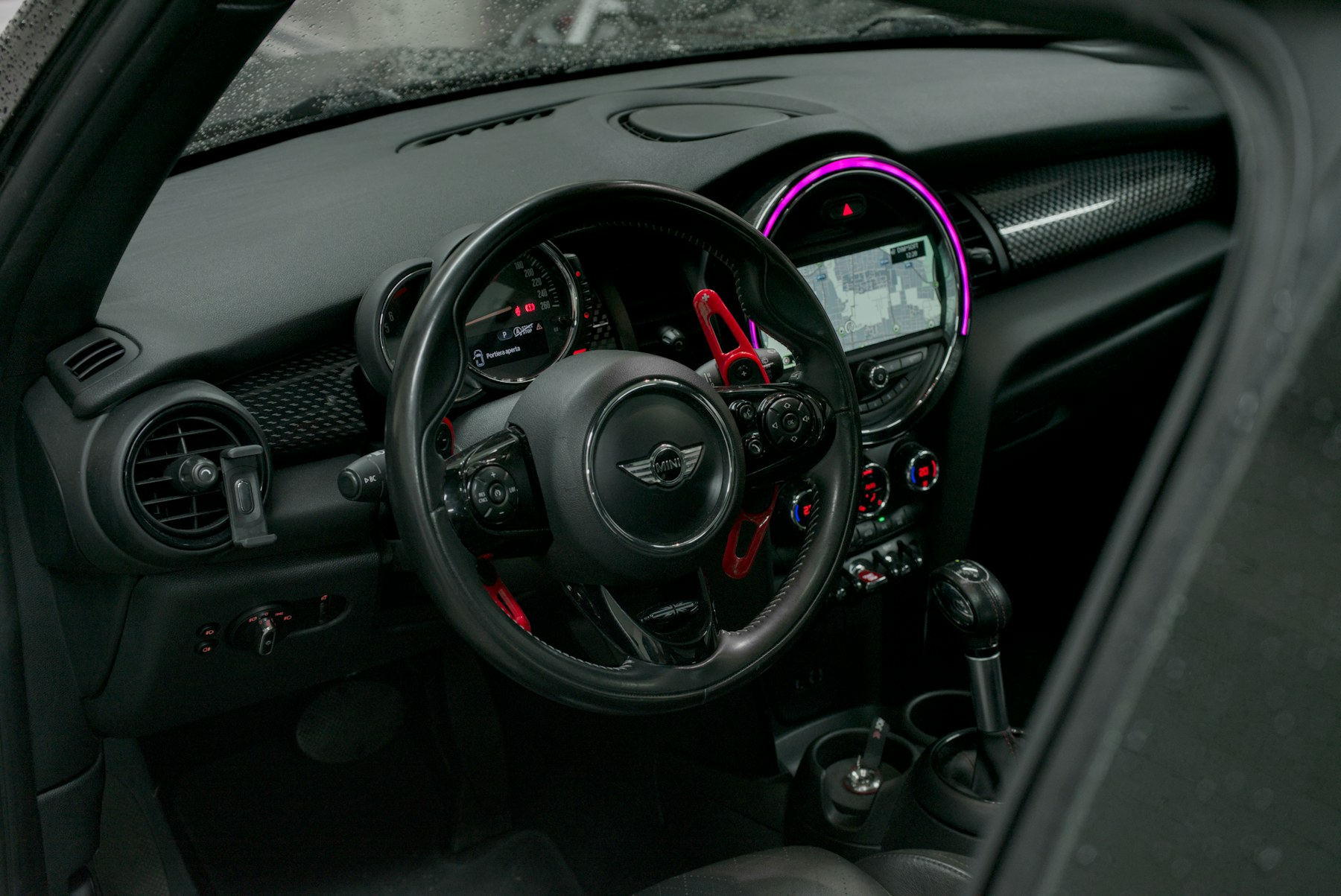
“SUV” can mean a small urban crossover or a large seven-seat vehicle. “Small car” can mean a two-seat runabout or a surprisingly practical hatchback. Compare the work the vehicle must do in your street, driveway, commute, family, and budget rather than relying on the badge.
Compare the space you use
List the people and objects that travel every week. Take a pram, child restraint, work case, sports bag, or musical instrument to the test drive. Measure the object and check the boot opening, loading lip, rear-seat position, and folding mechanism.
A small hatchback may fit a weekly shop more easily than its exterior suggests, while an SUV's taller body may make lifting easier. An SUV can also have a sloping tailgate, wide wheel arches, or a high floor that reduces useful space. Published litres are a starting point; the physical load test is the decision point.
Check rear-seat access and the front driving position. If a rear-facing child restraint pushes the front passenger too far forward, the vehicle has failed the family test even if the boot is large. If adults sit in the rear every week, measure knee room rather than counting seats.
Price the whole difference
Compare equivalent trims and equipment. A small car's entry price beside an SUV's premium trim is not a fair comparison. Record the price, on-road costs, safety equipment, wheels, spare wheel, warranty, service plan, and accessories.
Consumer Protection recommends considering more than the purchase amount. Running costs can include on-road charges, servicing, maintenance, repairs, insurance, parking, finance, and depreciation. Put those costs in a second table. A small car may use less fuel and be easier to park, while an SUV may carry the equipment or trailer that prevents a second vehicle or frequent hire.
Use your actual distance and routes. EECA's label generator and comparison tools can provide vehicle energy and emissions information, but the result is not a promise of your fuel bill. Weather, traffic, tyres, passengers, roof loads, and driving style affect use.
Check safety by model and trim
Use ANCAP to search the exact model and rating year. Check the New Zealand specification and ask the dealer whether the safety equipment matches the tested vehicle. Do not assume a newer SUV is automatically safer than an older small car or that a larger bonnet guarantees a particular result.
In the vehicle, test seat-belt access, child-restraint points, visibility, reversing sensors or cameras, and the warning controls for driver-assistance systems. Make sure the feature you care about is standard on the trim you are being quoted. A safety pack that is optional may change the meaningful price comparison.
Think about streets and parking
Measure your garage, carport, driveway, and usual car parks. Record overall width including mirrors, turning circle, tailgate clearance, and space needed to open doors beside a child seat. A tall car is not automatically easier to place in a narrow garage.
Drive the vehicle on the roads you use. Note ride comfort over speed humps, steering at low speed, highway noise, visibility around cyclists, and how easy it is to judge the corners. Ask a second driver to try the same route; height and sight lines are personal.
Do not treat a WoF as a condition report
If you compare a new car with a nearly new or used alternative, remember NZTA's distinction: a WoF is a regular safety check, not a pre-purchase inspection. It does not cover every aspect of engine, transmission, paint, rust, wear, or future repair cost.
That matters when the lower purchase price is the main reason to choose a used SUV or hatchback. Include an independent inspection and likely maintenance in the comparison. For a new vehicle, ask what the handover inspection and warranty cover, and keep the vehicle details in the written agreement.
Choose the shape that removes a regular problem
Choose the small car if its space and seating pass the real test and its lower footprint, price, or running cost solves an everyday problem. Choose the SUV if the height, access, cargo, traction, or seating solves a recurring need that the small car cannot meet.
Do not buy the SUV for a once-a-year trip without pricing the alternative. Do not buy the small car and then add expensive racks, trailers, or storage equipment to make it do work it was never intended to do.
Confirm the fit with the exact car
Body-style comparisons vary sharply by model, year, trim, and powertrain. Published figures and safety ratings cannot confirm your seating or cargo fit. Confirm the exact vehicle, price, equipment, insurance, warranty, and energy-use assumptions before ordering, and arrange an independent inspection for any used vehicle.
Sources
Source notes
The links below show the public material used to check the facts and limits in this story.
- Researching cars and sellers Consumer Protection New Zealand · accessed 2026-08-14 · Comparing running costs, depreciation, finance, parking, and the questions to ask while researching a vehicle.
- Car safety ratings ANCAP · accessed 2026-08-14 · Checking the safety rating and rating year of the exact small car or SUV.
- Vehicle emissions and energy economy label generator EECA · accessed 2026-08-14 · Comparing vehicle energy consumption and emissions information by VIN or other vehicle identifier.
- Warrant of fitness NZ Transport Agency Waka Kotahi · accessed 2026-08-14 · Clarifying what a WoF does and does not check when considering a used alternative.