NZ clean-car policy changes: what they mean for ownership costs
New Zealand’s old Clean Car Discount is not the same policy as the current Clean Car Standard. Buyers need to separate ended rebates and charges from importer obligations and current registration items.
Written and maintained by OpenBoot Editorial. Prices and policies can change, so use the linked source notes for the latest position.
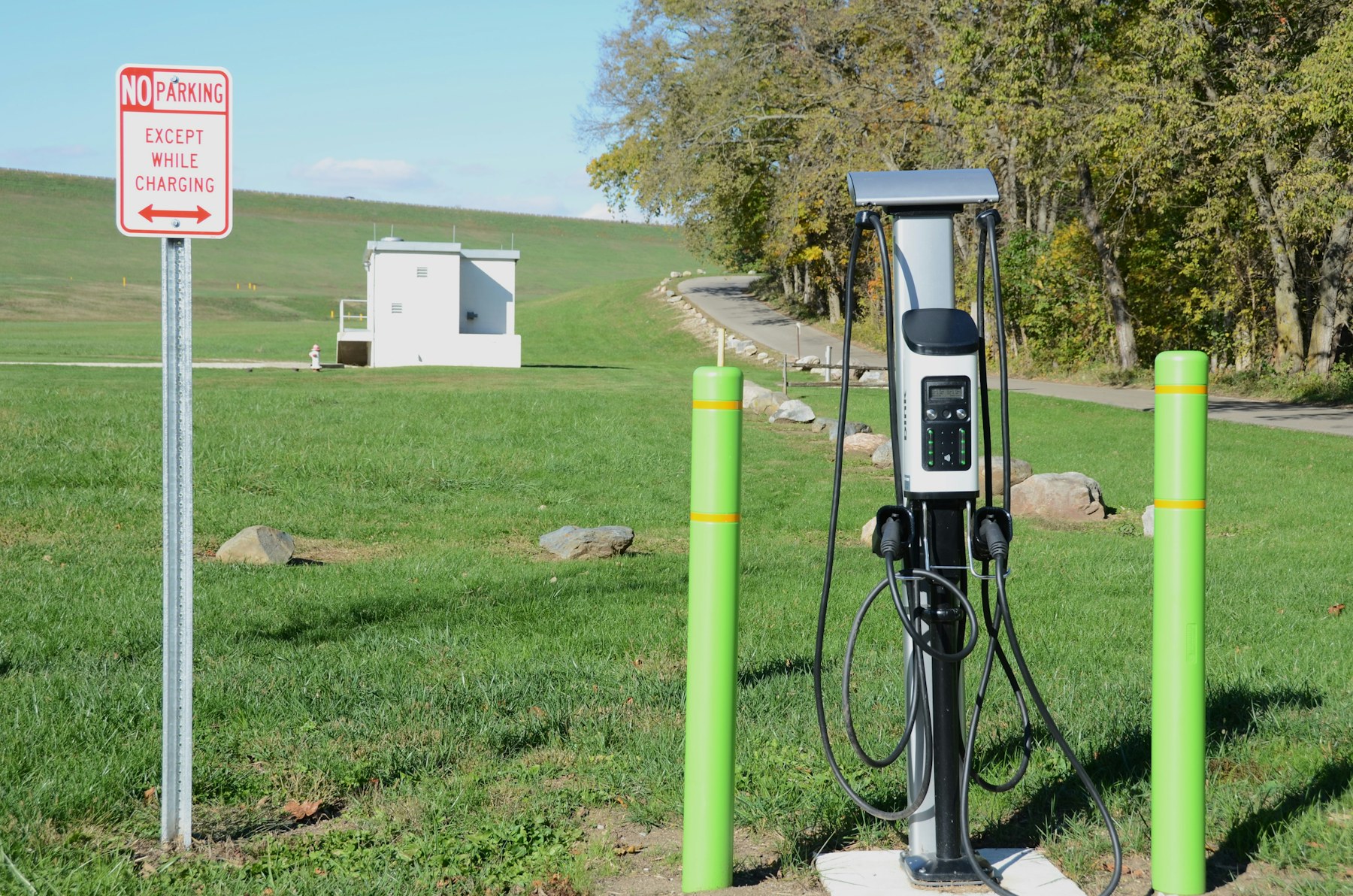
Two policies sit behind the phrase “clean car”, and they affect different people. The consumer Clean Car Discount ended in 2023; the Clean Car Standard continues as an importer scheme.
Separate the two Clean Car policies
The Ministry of Transport says the Clean Car Discount’s charges ended and rebate applications closed after 31 December 2023. That means a buyer in August 2026 should not budget for a new Clean Car Discount rebate or add an old high-emissions charge to a current purchase simply because an archived article mentions it.
The Clean Car Standard is different. NZTA’s current importer guidance says vehicles can create charges or credits against an importer’s CO2 target. Under the Pay As You Go scheme, its listed 2026 charge rates are $12 per excess gram for new vehicles and $6 per excess gram for used vehicles. Those are importer-side rates, not a direct retail tax that every buyer should add to a model’s advertised price. The importer can settle using a payment, credits, or a combination under the applicable scheme.
There is also a visible administration item. NZTA’s registration-fee page says most light vehicles first registered in New Zealand from 1 July 2025 may have a Clean Car Standard administration fee. That is separate from the ended consumer discount and from an importer’s CO2 charge calculation. A careful ownership-cost comparison names each item rather than using “clean-car fee” as a catch-all.
What changes for buyers and importers
This affects people comparing a new EV, hybrid, petrol car, diesel vehicle, or parallel import. It affects importers and dealers more directly because the Clean Car Standard account and settlement rules sit with the importer. A buyer may still see a manufacturer or dealer price that reflects commercial pricing decisions, but the buyer should not assume the published amount exposes the importer’s account balance.
When comparing two vehicles, record the purchase price, registration and licensing, RUC or fuel, charging, insurance, servicing, tyres, and finance separately. For an imported vehicle, ask who is responsible for any Clean Car Standard settlement before registration and whether the quoted on-road amount includes the NZTA administration item. The answer belongs in the written offer.
NZTA’s monthly reports can show high-level scheme activity, imported volumes, CO2 ratings, charges, settlements, and credit balances. They are useful for understanding the policy’s operation, but they do not identify the future retail price of a specific model or prove that one brand passed through a particular charge in full.
Costs that still need a quote
The continuing standard does not create a guaranteed rebate for a low-emissions vehicle, and a monthly aggregate report cannot confirm an individual buyer’s final cost. Future target settings, charge treatment, registration items, and manufacturer pricing need the current NZTA and Ministry pages at the time of purchase.
Do not reuse a 2021–2023 Clean Car Discount calculator for a 2026 transaction. Start with the current policy status, ask for an itemised quote, and keep importer obligations separate from the ownership costs that the driver actually pays.
Sources
- Clean Cars — Ministry of Transport
- Credits, charges and payments — NZ Transport Agency Waka Kotahi
- Clean Car Standard monthly reports — NZ Transport Agency Waka Kotahi
Source notes
The links below show the public material used to check the facts and limits in this story.
- Clean Cars Ministry of Transport · accessed 2026-08-14 · The end of the Clean Car Discount and the continuing Clean Car Standard framework.
- Credits, charges and payments NZ Transport Agency Waka Kotahi · accessed 2026-08-14 · The 2026 Clean Car Standard charge rates and the importer payment and credit mechanisms.
- Clean Car Standard monthly reports NZ Transport Agency Waka Kotahi · accessed 2026-08-14 · The continuing monthly publication of scheme performance, imported volumes, charges, settlements, and credit balances.