New-car test-drive checklist for New Zealand buyers
A test drive should answer the questions a brochure cannot. Take the people and equipment you carry, drive familiar roads, and record every detail that needs confirming.
Written and maintained by OpenBoot Editorial. Prices and policies can change, so use the linked source notes for the latest position.
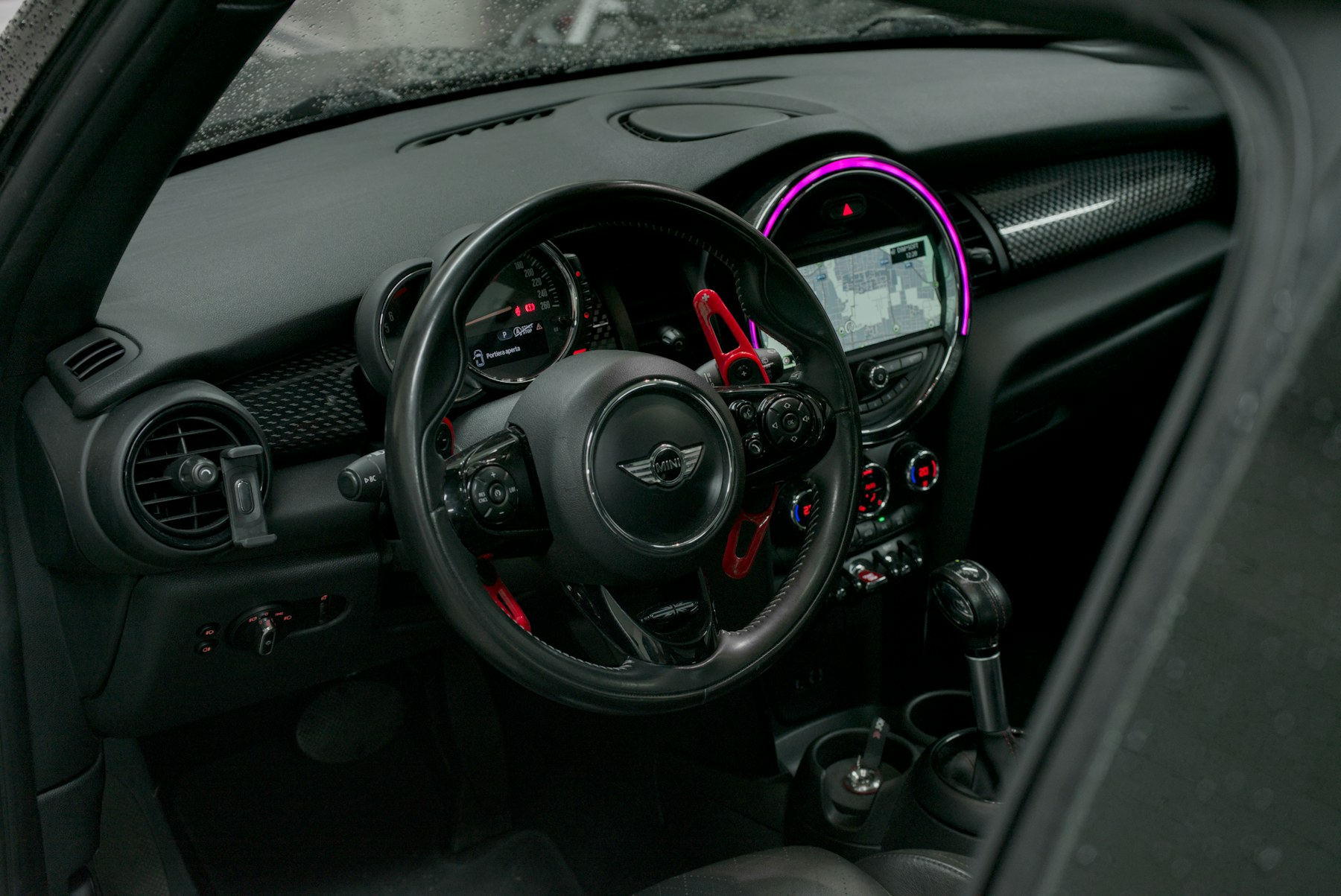
A test drive should answer questions that a specification sheet cannot. Can the driver see properly? Can the family get in? Does the car fit the driveway, the pram, and the route? Are the controls clear? Treat the drive as a repeatable check and take notes while the details are fresh.
Before leaving the dealership
Confirm the exact vehicle, variant, engine or powertrain, transmission, drive type, wheel size, and option packs. A demonstrator may have equipment that is not included in the price you are considering. Ask for the current price, warranty summary, delivery estimate, and a written list of included accessories.
Look up the ANCAP rating for the exact model and rating year. Ask which safety features are standard on the vehicle you would order. Sit in every seat and find the seat-belt anchors, child-restraint points, airbag labels, parking sensors, cameras, and driver-assistance controls.
Take the equipment that matters: a child restraint, booster, pram, work bag, sports gear, or mobility aid. NZTA says a child restraint must fit the vehicle and child, so do not treat a display seat or a dealer's general reassurance as the fit test.
Set the driving position first
Adjust the driver's seat, steering wheel, mirrors, and head restraint as you would for a normal trip. Then ask another adult to sit behind the driver. Check knee room, toe room, headroom, door opening, and access to the belt. Repeat the test for the front passenger and the seats you will use most.
Try the controls without looking down for long. Check the indicator, wipers, lights, climate settings, demister, cruise control, gear selector, parking brake, and infotainment shortcuts. A control that is easy to use while parked may be distracting when moving.
Check whether the driver's view is blocked by the mirror, screen, bonnet, pillar, or head restraint. Walk around the car and look for blind spots. Sit in the rear and check whether children can see out without leaning across a belt.
Drive the roads you know
Ask for enough time to drive urban streets, a hill, a rough patch, a motorway or open road, and a parking manoeuvre. Use the roads the household actually drives. Listen for tyre and wind noise, test ride comfort over bumps, and observe how the car feels at low speed and on a faster road.
Check the turning circle, steering weight, brake pedal, accelerator response, hill start behaviour, and reversing visibility. If you are comparing a hybrid, petrol, 2WD, or 4WD option, drive the same route in each where possible. Do not let a quiet showroom or a short loop decide a vehicle that will spend hours on the highway.
If towing or carrying matters, ask about a permitted demonstration with the intended equipment. Do not attach a trailer or load the car without the dealer's approval. Record the manufacturer's limits separately from the sensation of the drive.
Test the family routine
Install the actual restraint and load the pram. Open the doors in a normal car park. Practise buckling, unbuckling, folding the pram, and placing bags where they will travel. Check whether an adult can reach a child without blocking the driver or leaving loose equipment in the cabin.
Open the boot with the seats occupied. Measure the opening and floor, not only the published litres. Try the parcel shelf, rear seats, charging cable, spare wheel, and luggage arrangement you expect. A car can feel spacious until the equipment is installed.
Check features in the exact trim
Test the features you are paying for, including adaptive cruise, lane assistance, blind-spot warning, parking camera, auto lights, heated seats, towing modes, and smartphone connection. Ask what happens when each system is unavailable or switched off. Driver-assistance systems support the driver; they do not replace attention or control.
Ask the dealer to show the vehicle manual, service schedule, warranty terms, and recovery process. Record the service interval and any condition attached to a service plan. If a promise matters, ask for it in the written offer.
Walk around before signing
Photograph the demonstrator's model and equipment if permitted. Check tyre size, spare wheel or repair kit, tow-bar wiring, charging cables, paint, glass, and panel fit. For a factory-order vehicle, mark which observations are confirmed on the order and which still need confirmation.
Consumer Protection advises checking the total price, vehicle details, VIN or chassis number, odometer, add-ons, finance, and on-road costs in the agreement. Read it away from the sales desk if you need time. A test drive is not an agreement to buy.
If the car is nearly new or used
Use the test drive to identify questions, not to certify the car. NZTA says a WoF is not a pre-purchase inspection and does not check every aspect of engine, gearbox, paint, rust, or future wear. Arrange an independent inspection where appropriate and make any agreed repair or condition part of the contract.
What a short drive cannot prove
A short drive cannot predict every fault, ownership cost, or long-term comfort. Weather, traffic, tyre pressure, demonstrator condition, and driver preference affect the result. Confirm the exact specification, price, warranty, insurance, safety rating, and delivery vehicle in writing before signing.
Sources
Source notes
The links below show the public material used to check the facts and limits in this story.
- Car sales contracts and warranties Consumer Protection New Zealand · accessed 2026-08-14 · Checking the vehicle agreement, price, VIN, accessories, and on-road costs before signing.
- Tips for buying a used car NZ Transport Agency Waka Kotahi · accessed 2026-08-14 · Safety-rating, test-drive, tyre, and independent-inspection checks that also help a new-car buyer.
- Warrant of fitness NZ Transport Agency Waka Kotahi · accessed 2026-08-14 · Explaining why a WoF is not a complete pre-purchase inspection when comparing new and nearly new cars.
- Car safety ratings ANCAP · accessed 2026-08-14 · Checking the exact model's safety rating and rating year before the drive.